E-Invoicing Coming to the UAE: What Businesses Should Know in 2026
23-Jan-2026
Simplify Electronic Invoicing UAE Compliance
Avoid UAE e-invoicing misconceptions and meet structured
e-invoicing requirements with expert E-invoicing services in
UAE and seamless implementation support.
ERP Integration for E-Invoicing in UAE
As the UAE continues to build a strong digital tax system, e-invoicing is becoming a key compliance requirement for businesses. Under the supervision of the Federal Tax Authority, companies are expected to generate structured electronic invoices that can be validated and shared with authorities.
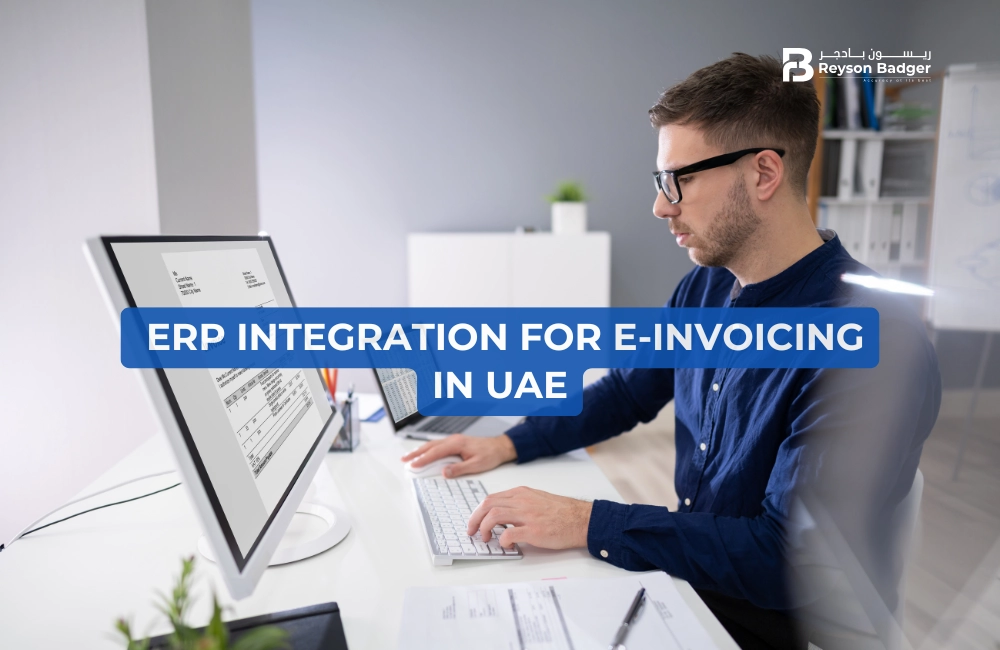
For many businesses, this is where ERP integration becomes essential. An ERP (Enterprise Resource Planning) system already manages core business functions such as finance, sales, procurement, and inventory. Integrating this system with UAE e invoicing ensures that invoices are generated directly from real-time business transactions.
Instead of handling invoices manually or through separate tools, ERP & e-invoicing integration allows seamless data flow. This reduces compliance risks, improves accuracy, and supports faster reporting all of which are critical under the new regulatory environment.
Step-by-Step Guide to ERP Integration with E-Invoicing
Implementing ERP integration for e-invoicing UAE requires a structured approach to ensure compliance and system efficiency.
- Assess ERP Readiness
Businesses must first evaluate whether their current ERP system can support structured e-invoicing formats and real-time data exchange. - Map Data Fields
All relevant invoice data from the ERP—such as customer details, tax information, invoice values, and item descriptions—must be mapped to the required e-invoice format. - Develop Integration Workflows
This includes setting up processes for invoice creation, validation, and submission to the relevant platform or authority. - Testing and Go-Live
Before full implementation, systems should be tested to identify errors, ensure accuracy, and confirm compliance requirements are met.
This step-by-step process helps businesses achieve smooth e invoicing implementation without disrupting daily operations.
Challenges and Considerations During Integration
While ERP integration brings many advantages, businesses may face certain challenges during implementation.
- Data inconsistencies can lead to validation errors if ERP records are not properly maintained.
- Legacy ERP systems may not fully support modern e-invoicing protocols, requiring upgrades or middleware solutions.
- Secure API connections must be established to ensure safe communication with government platforms.
- Staff may need training to adapt to new workflows and system changes.
Addressing these challenges early helps avoid delays and ensures a more efficient transition.
Strategic Benefits for Finance & Operations
Once implemented correctly, ERP integration offers strong operational and financial benefits.
- Invoices can be generated automatically from ERP transactions without manual intervention.
- Errors are reduced significantly, improving accuracy and audit readiness.
- Businesses can achieve real-time compliance and faster reporting.
- Departments such as sales, finance, and logistics can work with synchronized data, improving overall efficiency.
This level of automation allows companies to move from reactive compliance to proactive financial management.
Future-Ready Your Business with ERP & E-Invoicing Integration
ERP integration is no longer optional for businesses preparing for UAE e invoicing requirements. It ensures that invoicing processes are automated, compliant, and aligned with the country’s digital tax framework.
By integrating ERP systems with e-invoicing, businesses gain better visibility, improved accuracy, and long-term operational efficiency. It also reduces the burden of manual processes and minimizes compliance risks.
To make this transition smooth and effective, businesses should consider working with experienced providers like Reyson Badger, E-invoicing Services in UAE. With the right expertise and technology support, ERP & e-invoicing integration can become a strong foundation for future-ready and compliant business operations.
FAQs
1. Why does ERP integration matter for UAE e-invoicing compliance?
ERP integration matters because your system already manages finance, sales, procurement, and inventory data, letting invoices generate directly from live transactions instead of manual entry. This connection cuts compliance risk, improves accuracy, and speeds up reporting compared to handling invoices through separate, disconnected tools.
2. What are the main steps in ERP integration for e-invoicing?
ERP integration for e-invoicing follows four steps: assessing ERP readiness, mapping invoice data fields, building integration workflows, and testing before go-live. Skipping the testing step is where most compliance errors surface later, once the system is already live.
3. What's the biggest challenge businesses face when integrating ERP with e-invoicing?
Legacy ERP systems are the most common obstacle, since many weren't built to support modern e-invoicing protocols and need upgrades or middleware to bridge the gap. Data inconsistencies in existing ERP records also cause validation errors, so cleaning up your data before integration saves rework later.
E-Invoice
Related Blogs
UAE E-Invoicing Timeline & Deadline
28-Jan-2026
E-Invoicing Solutions For Financial Institutions
28-Jan-2026Request a Quote
We’ll get back to you shortlyFAQs
Once integrated, invoices generate automatically from ERP transactions, reducing manual errors and strengthening audit readiness. Sales, finance, and logistics teams also work from the same synchronized data, which shifts your business from reactive compliance to proactive financial management.
Your ERP data mapping needs to cover customer details, tax information, invoice values, and item descriptions at minimum, since these are the fields required in the structured e-invoice format. Getting this mapping wrong is a common source of validation errors once the system goes live.
Yes, ERP integration requires secure API connections to safely communicate with government e-invoicing platforms, since sensitive financial and tax data moves between your systems and the authorities. In practice, this connection typically runs through your Accredited Service Provider rather than a direct link you'd need to build and maintain yourself.
Latest Blogs

24
Sep
Step-by-Step Guide to Getting a Commercial Brokerage Licence in the UAE
A practical guide to setting up a commercial brokerage business and obtaining the required UAE licence
READ MORE →
22
Sep
Disciplined Accounting: The Most Effective Approach for Long-Term Business Success
Accounting Services in Dubai can provide growing Dubai businesses with structured bookkeeping, reporting and financial support.
READ MORE →
22
Sep
Excise Tax vs VAT in the UAE: What Dubai Businesses Need to Know
Understand the key differences between Excise Tax and VAT in the UAE, including applicability, rates, registration, compliance, and what Dubai businesses need to know.
READ MORE →
22
Sep
Common Mistakes Businesses Make Before Their Annual Audit in Dubai
A practical guide to the 8 most common annual audit preparation mistakes Dubai businesses make, and how proper preparation and the right auditors can make your next annual audit faster and stress-free.
READ MORE →
16
Sep
How to Calculate VAT in UAE 2026: Complete Guide
Learn how to calculate VAT in the UAE in 2026, including VAT formulas, taxable amounts, input VAT, output VAT, and practical calculation examples.
READ MORE →
15
Sep
How to Choose an Accredited Service Provider for UAE E-Invoicing?
An e-invoicing service provider helps businesses create, process, transmit and manage electronic invoices through systems designed to support the applicable e-invoicing framework.
READ MORE →
16
Sep
How to Get a UAE Residence Visa: Step-by-Step Guide
Learn how to apply for a UAE residence visa, including visa types, eligibility, required documents, application steps, costs, and common mistakes to avoid
READ MORE →
11
Sep
Accounting Software in UAE: How to Choose the Right Accounting Software for Your Business
Professional Accounting Software Consultant in Dubai or Accounting Software Consultant in UAE services can help you compare suitable options and make a more informed decision.
READ MORE →
10
Sep
How to Register Copyright in the UAE: Requirements, Fees, and Timeline
A practical guide explaining how to register copyright in the UAE, covering requirements, fees, process, timeline, and key benefits for individuals and businesses.
READ MORE →
09
Sep
What Does an Audit Service in Dubai Actually Include? A Full Breakdown
Not sure what an audit actually covers? This guide breaks down the full audit process step by step, from financial checks to reporting and explains what to expect from professional Audit Services in Dubai.
READ MORE →