
Company Liquidation Services in Saudi Arabia
Legally compliant winding-up solutions for businesses across the Kingdom
Liquidation Services in Saudi Arabia
Company liquidation in Saudi Arabia is a legally regulated process through which a company formally ends its business activities, settles all outstanding financial and statutory obligations, and is permanently removed from the official commercial records of the Kingdom. Unlike an informal shutdown, Company Liquidation requirements involve structured filings, creditor handling, and authority clearances, and if these steps are missed, your business can face ongoing legal and financial exposure. All types of entities, including limited liability companies (LLCs), joint stock companies (JSCs), foreign company branches, and professional firms, must comply with the applicable legal framework when liquidating their operations in Saudi Arabia.
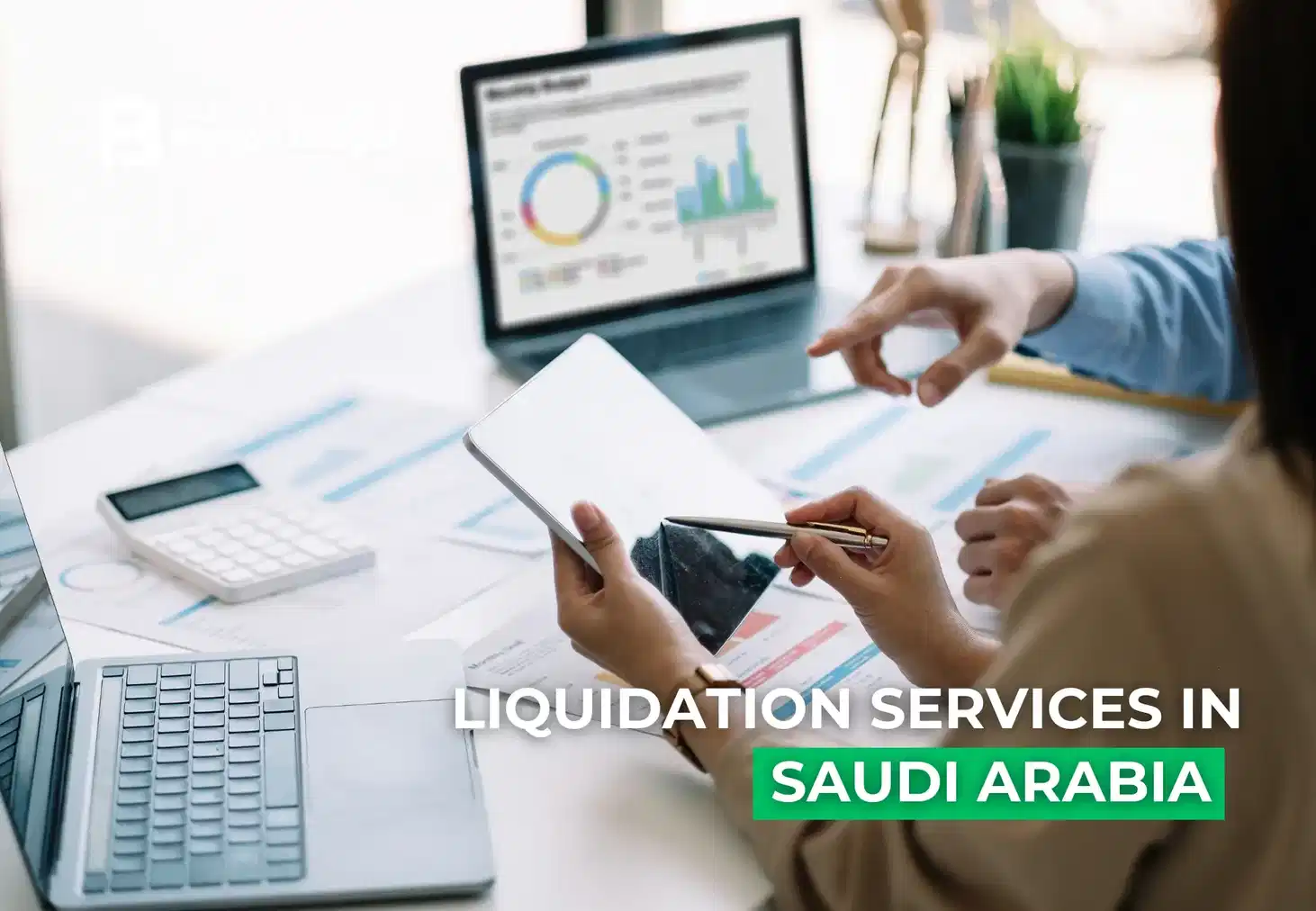
Company Liquidation and De-Registration Services in Saudi Arabia
Company liquidation and de-registration services close your business properly so you don't leave unpaid filings, open registrations, or unresolved authority records behind.
We help you manage the full winding up exercise, from liquidation resolutions and liquidator coordination to creditor notices, authority clearances, and final Commercial Registration cancellation. If your company stops trading without formal de-registration, directors and shareholders can still face claims, blocked transactions, and trouble opening or closing future business interests.
Our Company Liquidation Services in KSA are built for businesses that need a clean legal exit, whether the trigger is insolvency, inactivity, restructuring, shareholder decision, or market withdrawal
What Is Company Liquidation in Saudi Arabia?
Company liquidation is the legal process of winding up a company’s affairs by converting its assets into cash, settling liabilities, and distributing any remaining surplus to shareholders. During liquidation, the company ceases normal business operations and exists only for the purpose of completing the liquidation process. Once liquidation is finalized and the Commercial Registration (CR) is cancelled, the company legally ceases to exist and cannot conduct business or enter into contracts.
Purpose of Liquidation Under Saudi Law
The primary purpose of liquidation under Saudi law is to ensure an orderly and transparent exit of businesses from the market. Liquidation safeguards the rights of creditors by ensuring debts are settled in a legally defined order. It also protects employees by guaranteeing payment of salaries, end-of-service benefits, and compliance with labour and visa regulations. For shareholders and directors, liquidation provides legal closure and limits future liability, provided the process is conducted in accordance with the law.
When Should You Consider Company Liquidation Services in Saudi Arabia?
You should consider liquidation once your business can't continue normally or no longer serves its purpose, because waiting usually increases debt, filings, and risk.
- Financial Strain
If your company can't meet supplier payments, employee dues, rent, or statutory liabilities, liquidation may be the safer route before losses grow. You're not just closing a name on paper; you're dealing with creditors, end-of-service payments, and tax exposure that can get worse if action is delayed.
- Operational Challenges
If your company is inactive, has lost key contracts, or can't maintain licensing and reporting obligations, formal winding up helps you avoid carrying an entity that still attracts obligations. An inactive company that isn't properly closed can still create banking, labour, and registration problems.
- Strategic Objectives
You may also need Company Liquidation Services in Saudi Arabia during group restructuring, shareholder exit, merger planning, or market withdrawal. If the exit isn't documented and completed correctly, your business can face delays in asset distribution and future corporate actions.
Legal Framework Governing Liquidation in Saudi Arabia
Saudi Companies Law
The Saudi Companies Law governs voluntary liquidation and outlines the legal requirements for dissolving a company. It regulates shareholder and board resolutions, appointment and authority of liquidators, reporting obligations, asset distribution rules, and timelines. The law also defines directors’ responsibilities and imposes penalties for unlawful liquidation or misrepresentation of financial information
Saudi Bankruptcy Law
The Saudi Bankruptcy Law applies when a company is financially distressed or insolvent. It provides structured mechanisms for liquidation, restructuring, and creditor settlements under judicial supervision. This law aims to balance creditor recovery with business continuity where possible, while ensuring fair treatment of all stakeholders during insolvency-related liquidation.
Role of the Ministry of Commerce (MoC)
The Ministry of Commerce is the primary authority overseeing liquidation procedures in Saudi Arabia. It supervises registration of liquidation status, publication of statutory notices, approval of liquidator appointments, monitoring of compliance, and issuance of final CR cancellation certificates. No liquidation is legally complete without MoC approval.
Types of Company Liquidation in Saudi Arabia
Voluntary Liquidation
Voluntary liquidation occurs when shareholders decide to close a solvent company by choice. This may be due to strategic business reasons such as market exit, restructuring, inactivity, or completion of the company’s purpose. Since the company remains solvent, shareholders maintain control over the process, appoint the liquidator, and typically face fewer legal risks and faster completion timelines.
Compulsory (Judicial) Liquidation
Compulsory liquidation is initiated by a court order, usually following insolvency, creditor petitions, or serious regulatory violations. In this type of liquidation, the court appoints a liquidator and supervises the process. Directors lose operational control, and the company is subject to higher scrutiny, longer timelines, and increased legal exposure.
Creditors’ Voluntary Liquidation (CVL)
Creditors’ Voluntary Liquidation applies when a company is unable to meet its financial obligations but aims to avoid full judicial proceedings. In CVL, directors acknowledge insolvency, and creditors participate in overseeing the liquidation. This approach allows for structured debt settlement while minimizing litigation and reputational damage.
You need the right liquidation route from the start, because using the wrong route can delay de-registration, increase disputes, and expose directors to avoidable claims.
| Liquidation Type | Typical Trigger | Who Appoints Liquidator | Typical Outcome |
| Voluntary Liquidation | Solvent company closure, inactivity, restructuring, market exit | Shareholders | Orderly winding up, debt settlement, and de-registration |
| Compulsory (Judicial) Liquidation | Insolvency, creditor action, court intervention | Court | Court-supervised winding up with higher scrutiny |
| Creditors’ Voluntary Liquidation (CVL) | Financial distress with creditor involvement | Usually initiated by directors/shareholders with creditor participation | Structured debt settlement aimed at avoiding further disputes |
Step-by-Step Company Liquidation Process in Saudi Arabia
Step 1: Shareholder or Board Resolution
The liquidation process begins with a formal resolution passed by the shareholders or board of directors, depending on the company structure. The resolution must clearly state the decision to liquidate, specify the reason for dissolution, and comply with the Saudi Companies Law. From this point, the company must cease regular business activities and operate only for liquidation purposes.
Step 2: Appointment of the Liquidator
A licensed liquidator must be appointed within sixty days of the dissolution decision. The appointment is registered with the Ministry of Commerce and grants the liquidator full authority to manage the company’s affairs. If shareholders fail to appoint a liquidator within the prescribed timeframe, the court may intervene and appoint one judicially.
Step 3: Public Notice and Creditor Claims
The liquidator is required to publish an official liquidation notice through approved channels. This notice invites creditors to submit their claims within a statutory period. Proper publication ensures transparency and protects the company from future claims. Failure to comply with publication requirements can invalidate the liquidation process.
Step 4: Asset and Liability Assessment
During this stage, the liquidator prepares a comprehensive inventory of all company assets and liabilities. Assets are valued at fair market value, and all known and contingent liabilities are identified. Bank accounts are reviewed, trading is frozen, and a structured plan for asset realization is prepared.
Step 5: Settlement of Debts and Statutory Obligations
The liquidator settles all outstanding obligations in a legally defined order of priority. Employee salaries, end-of-service benefits, and visa exit requirements are settled first. Government dues, ZATCA tax and zakat liabilities, and GOSI contributions follow. Secured and unsecured creditors are then paid accordingly. Shareholders cannot receive any distributions until all liabilities are fully settled.
Step 6: Distribution of Surplus and Final Reporting
If assets remain after settling all liabilities, the surplus is distributed among shareholders according to the Articles of Association. The liquidator prepares final accounts and a comprehensive liquidation report detailing all actions taken. Shareholders must formally approve the report to confirm completion of the process.
Step 7: Deregistration and Final Closure
The final step involves submitting an application to cancel the Commercial Registration with the Ministry of Commerce. Once approved, the MoC issues an official company dissolution certificate. This marks the legal end of the company’s existence in Saudi Arabia.
Company Liquidation Process Timeline in Saudi Arabia
The liquidation timeline depends on your company records, liabilities, and authority clearances, and delays usually happen when documents or settlements are incomplete.
Initial Steps
The first phase covers the shareholder or board resolution, review of constitutional documents, and appointment of the liquidator. If your records don't match the actual business position, this stage slows down immediately and can hold up the rest of the filing sequence.
Liquidation Process
The middle phase includes creditor notice, asset and liability review, employee settlements, authority clearances, and winding up actions. This is usually where companies lose time, especially if tax records, labour files, or bank matters are still open.
Finalization
The final phase covers final reporting, de-registration filings, and cancellation of the Commercial Registration. If a company reaches this stage without complete clearances, the closure can stall and leave the entity open on official records.
Roles and Responsibilities During Liquidation
Role of the Liquidator
The liquidator acts as the legal representative of the company throughout liquidation. Their responsibilities include safeguarding and selling assets, settling debts, maintaining accurate records, preparing statutory reports, and representing the company before authorities and courts. The liquidator is personally responsible for ensuring compliance with Saudi laws.
Responsibilities of Shareholders
Shareholders are responsible for approving liquidation decisions, cooperating with the liquidator, and ensuring compliance with capital and liability obligations. They must avoid interfering in the liquidator’s duties or attempting to bypass statutory procedures.
Responsibilities of Directors
Directors must provide full financial disclosure, cooperate with the liquidator, and avoid fraudulent transactions. They may be held personally liable for concealment of information, unlawful asset transfers, or failure to comply with legal obligations during liquidation.
Authority Clearances Required During Liquidation
Authority clearances remove the blocks that stop de-registration, and if they're missed, your company can stay open on record even after it stops trading.
Tax Deregistration
Tax deregistration deals with closing VAT and other tax-related obligations before final closure. If your business has outstanding filings, final returns, or unpaid balances with ZATCA, the liquidation can be delayed and the company may continue to carry exposure after operations end.
Visa Cancellation
Visa and labour clearances must be resolved before closure so you don't leave employee matters open. This includes salaries, end-of-service benefits, and relevant labour file actions with the Ministry of Human Resources and Social Development (HRSD), because unresolved employee records can block closure and create claims later.
Bank Account Closure
Bank account closure ends the company's financial footprint after liabilities are settled. If accounts remain active, you can face delays in final distribution, ongoing charges, and questions about whether the business has actually been wound up.
Documents Required for Company Liquidation in Saudi Arabia
- Company liquidation requires submission of key documents, including
- Commercial Registration (CR)
- Memorandum & Articles of Association
- Shareholder / Board resolution
- Liquidator appointment letter
- Financial statements
- Tax and ZATCA clearance
- GOSI and labour clearance
- Power of Attorney (if applicable)
Our Company Liquidation Services
Reyson Badger handles the steps that usually slow down closure, so you don't get stuck between legal, tax, labour, and registration requirements.
- Appointment of Liquidator
We help coordinate the appointment stage and supporting paperwork so the liquidation starts on the right footing. If this step is delayed or filed incorrectly, the entire closure timetable moves with it.
- Company Documents
We review the company documents needed for winding up, including resolutions, registration papers, and financial records. If your documents don't align, authorities and counterparties can reject or question the file.
- Authority Clearance
We assist with authority-facing closure steps such as tax, labour, and related clearances tied to de-registration. You're less likely to face last-minute blocks when each clearance is tracked before final submission.
- Final Submission
We prepare and coordinate the final submission for closure and CR cancellation. If the final file goes in before all issues are cleared, you risk repeat submissions and longer closure times.
Common Risks of Not Formally Liquidating a Company
Not formally liquidating a company leaves legal and financial exposure in place, and it doesn't end just because trading has stopped.
Outstanding liabilities can remain against the business, which means creditors may still pursue recovery.
- Directors and shareholders can face disputes if assets were moved or business activity stopped without proper winding up.
- Open registrations, unresolved labour matters, and pending tax records can delay future business actions and create rejection risk with authorities.
- Improper closure can increase the risk of restrictions or blacklisting concerns tied to unresolved government or commercial records.
If de-registration isn't completed, the company may still appear active in official records, which creates confusion for banks, counterparties, and regulators
Why Choose Reyson Badger for Company Liquidation in Saudi Arabia?
Reyson Badger provides comprehensive company liquidation services in Saudi Arabia, managing the entire process from initial resolution drafting to final CR cancellation. The firm integrates legal, tax, and accounting expertise to ensure compliance with Saudi Companies Law, Bankruptcy Law, ZATCA regulations, and labour requirements. With a structured, transparent approach, Reyson Badger minimizes regulatory risks, protects directors and shareholders from liability, and ensures a smooth and legally compliant company closure.
FAQs
1. How much does liquidation cost?
The cost depends on your company structure, outstanding liabilities, document condition, and the amount of authority follow-up involved. If the file includes unresolved debt, tax issues, or employee matters, the work usually increases.
2. How long does liquidation take?
The timeline depends on the liquidation type, creditor matters, and how quickly clearances are obtained. If records are incomplete or balances remain unpaid, the closure takes longer.
3. Can I liquidate with outstanding debts?
Yes, but the debt position affects the route and the level of creditor involvement. You can't treat liquidation as a simple cancellation if liabilities are still open, because creditors and statutory dues must be addressed first.
4. Do I need a liquidator?
Yes. Appointing a liquidator is a mandatory step in formal company liquidation in Saudi Arabia — they're the only party legally authorized to manage winding-up actions and final reporting. If shareholders don't appoint one within the prescribed timeframe, the court will appoint one instead
5. How does liquidation affect employees?
Liquidation affects salaries, end-of-service benefits, and visa-related matters that must be settled before final closure. If employee obligations are left unresolved, your business can face claims and filing delays.
If you're planning to close a company, speak with us about Company Liquidation Services in Saudi Arabia before missed filings or unresolved dues turn into a longer problem. We help you review the position, identify the likely liquidation route, and move toward de-registration with fewer delays.
Latest Blogs

Disciplined Accounting: The Most Effective Approach for Long-Term Business Success
Accounting Services in Dubai can provide growing Dubai businesses with structured bookkeeping, reporting and financial support.
READ MORE →
Excise Tax vs VAT in the UAE: What Dubai Businesses Need to Know
Understand the key differences between Excise Tax and VAT in the UAE, including applicability, rates, registration, compliance, and what Dubai businesses need to know.
READ MORE →
Common Mistakes Businesses Make Before Their Annual Audit in Dubai
A practical guide to the 8 most common annual audit preparation mistakes Dubai businesses make, and how proper preparation and the right auditors can make your next annual audit faster and stress-free.
READ MORE →
How to Calculate VAT in UAE 2026: Complete Guide
Learn how to calculate VAT in the UAE in 2026, including VAT formulas, taxable amounts, input VAT, output VAT, and practical calculation examples.
READ MORE →
How to Choose an Accredited Service Provider for UAE E-Invoicing?
An e-invoicing service provider helps businesses create, process, transmit and manage electronic invoices through systems designed to support the applicable e-invoicing framework.
READ MORE →
How to Get a UAE Residence Visa: Step-by-Step Guide
Learn how to apply for a UAE residence visa, including visa types, eligibility, required documents, application steps, costs, and common mistakes to avoid
READ MORE →
Accounting Software in UAE: How to Choose the Right Accounting Software for Your Business
Professional Accounting Software Consultant in Dubai or Accounting Software Consultant in UAE services can help you compare suitable options and make a more informed decision.
READ MORE →
How to Register Copyright in the UAE: Requirements, Fees, and Timeline
A practical guide explaining how to register copyright in the UAE, covering requirements, fees, process, timeline, and key benefits for individuals and businesses.
READ MORE →
What Does an Audit Service in Dubai Actually Include? A Full Breakdown
Not sure what an audit actually covers? This guide breaks down the full audit process step by step, from financial checks to reporting and explains what to expect from professional Audit Services in Dubai.
READ MORE →
How Businesses Can Stay VAT Compliant in 2026
Learn how businesses can stay VAT compliant in 2026 through proper registration, accurate filing, record keeping, invoicing, and regular compliance checks.
READ MORE →