Internal Audit for UAE Real Estate and Construction Companies
27-Jan-2026
DMCC-Approved Audit Services
Ensure compliance, transparency, and financial accuracy
with trusted DMCC-approved audit services
tailored for your business needs.
Approved Auditors in DMCC
If your company is registered in DMCC, you need to submit audited financials every year—and if you don’t use DMCC Approved Auditors, you risk major fines and license problems. We’re a certified team of Approved Auditors in DMCC, ready to help your business meet every regulation and deadline so you stay open and penalty-free. The Dubai Multi Commodities Centre (DMCC) Free Zone sets strict audit standards for all member companies. Missing a deadline or using an unapproved auditor triggers fines from the DMCC Authority - sometimes starting at AED 5,000 and quickly escalating. If you want reliable audit services backed by official DMCC approval, we handle everything from document review to client portal submission.
DMCC provides a robust ecosystem for business growth, supported by a progressive regulatory framework, efficient administrative processes, and a highly experienced governing authority. These factors contribute to its reputation as a reliable and well-regulated free zone for companies seeking long-term operational stability.
As part of its compliance requirements, every company registered in the DMCC Free Zone is required to conduct an annual audit. These audits must be completed by DMCC Approved Auditors to ensure accuracy in financial reporting, regulatory compliance, and transparency in business operations. Timely audits conducted by approved auditors play a critical role in maintaining good standing with the DMCC Authority and supporting informed decision-making.
DMCC Approved Auditors
The Free Zone Authority has published a list of DMCC-approved auditors to perform auditing and related services as part of its free zone initiative. You can find the companies that are listed under the DMCC-approved list of auditors below.
Click here to view the latest DMCC Approved Auditors list 2026. Reyson Badger has been registered with an account number of 409441, with an order number SR.Number of 156.
According to the DMCC, the DMCC-approved auditor list provides companies operating in the DMCC with the highest quality audit services. Registered Auditors in DMCC will have qualified chartered accountants, follow IFRS (International Financial Reporting Standards), and be affiliated with international organisations.
According to the DMCC website, all DMCC members are also required to submit their audited financial statements to a DMCC-approved auditor, a process that will require some time to implement. A financial statement must be audited and submitted within 180 days after the end of a fiscal year. According to DMCC regulations. As part of the auditing process in DMCC, there are also several requirements to be met.
Official DMCC Approved Auditors List 2026
The DMCC Approved Auditors List includes audit firms approved by the Dubai Multi Commodities Centre (DMCC) to provide audit services to DMCC-registered companies. Businesses should appoint a DMCC Approved Auditor from the current official list to meet DMCC’s audit and compliance requirements.
Reyson Badger is a DMCC Approved Auditor, with Account No. 409441 and Order No. SR.156. DMCC companies can verify an auditor’s current approval status through the official DMCC portal before appointing an audit firm.
The DMCC Approved Auditors List may be updated based on the latest DMCC requirements and regulatory changes. Before submitting audited financial statements, companies should confirm that their chosen DMCC Approved Auditor is currently listed and eligible to conduct audits for DMCC entities.
If your auditor is not appearing on the current approved list or their status has changed, verify the details directly with DMCC before proceeding with your audit or licence renewal.
What are the DMCC Approved Auditor Rules?
Every auditor servicing DMCC member companies must comply with the “DMCCA Approved Auditors Rules” issued under Section 7.2 of the DMCCA Company Regulations 2020. Here’s what matters for your business:
Your auditor must be officially listed and in good standing on the DMCC portal, no exceptions.
Auditors must follow International Financial Reporting Standards (IFRS) and maintain valid registration with a UAE auditing authority.
Any reports submitted by non-approved, suspended, or blacklisted auditors will be automatically rejected by DMCC.
Auditors are required to report suspicious transactions or AML/CFT risks as per the guidance in DMCC Circular No. 6/2023.
The list of eligible firms and their approval status is managed by the DMCC Compliance/Monitoring Department. The most updated version is always published on the official DMCC site.
Appointing a non-listed or ineligible auditor exposes your company to immediate penalties and potential suspension from DMCC free zone activities.
Role of DMCC Approved Auditors
The role of a DMCC (Dubai Multi Commodities Centre) Approved Auditor is to ensure that member companies in the DMCC Free Zone adhere to high standards of financial reporting and compliance. Key responsibilities include:
Audit and Verification: DMCC Approved Auditors are responsible for auditing the annual financial statements (AFS) of DMCC-registered companies, ensuring they are free from material misstatements and comply with International Financial Reporting Standards (IFRS)
Reporting Standards: The auditors must confirm that the financial statements provide a fair and true view of the company’s financial position. This includes verifying bank balances, confirming authorised company activities, and disclosing revenue from activities outside licensed operations
Compliance and Integrity: They are required to act with integrity, objectivity, and confidentiality. Auditors must avoid conflicts of interest and comply with legal requirements for disclosing information if necessary for investigations
DMCC Cooperation: Approved auditors must cooperate with DMCC, providing necessary information and attending meetings upon request. DMCC also monitors auditors to ensure compliance, which can affect renewal or continuation as an approved auditor
Benefits of Choosing DMCC-Approved Auditors
DMCC Free Zone auditors provide specialised auditing and advisory services to companies operating within the DMCC Free Zone. These services are crucial for maintaining compliance with DMCC regulations and ensuring financial transparency. Key services offered by DMCC-approved auditors include:
Financial Statement Audits : DMCC-approved auditors conduct comprehensive audits of companies' financial statements, ensuring they are prepared in accordance with International Financial Reporting Standards (IFRS) and accurately reflect the company's financial status
Compliance Assurance: Auditors help companies adhere to DMCC Free Zone regulations by verifying compliance in areas such as revenue reporting, expense classification, and adherence to the scope of licensed activities.
Risk Assessment and Advisory: DMCC Free Zone auditors offer risk management and advisory services, helping companies identify financial and operational risks associated with their business activities and providing strategies for mitigation.
Tax Filing and VAT Advisory : Many auditors also assist with tax and VAT compliance, offering guidance on VAT filings and advice on optimal tax strategies to ensure compliance while optimising tax liabilities.
Company Formation and Financial Consultancy: DMCC Free Zone auditors provide business setup and consultancy services, advising companies on financial structuring, regulatory requirements, and efficient practices for sustained growth.
These services contribute to maintaining a transparent, compliant, and financially sound environment in the DMCC Free Zone.
Step-by-Step DMCC Audit Process
Companies and their officials are required to cooperate with Auditors in the DMCC Free Zone. In accordance with these rules, companies are not allowed to provide auditors with incorrect information, confusing information, or dishonest information. Moreover, it is a violation of the law for companies to keep important information secret or destroy or hide documents from auditors.
Accounts preparation
Each year, directors of companies operating in the DMCC Free Zone are required to prepare financial statements. The accounts must adhere to International Financial Reporting Standards (IFRS) and accurately reflect the profits and losses of the company during that period.
A copy of the audited financial statements and the auditor's report must be uploaded to the DMCC Member Portal via a designated online service request. Submission must be done within 90 days of the end of the fiscal year, and the company must also comply with the requirement to hold an Annual General Meeting (AGM). Additionally, the Registrar may request additional information, including a summary report from DMCC. Companies are required to comply with these obligations and to provide the necessary documents to the Registrar promptly and in accordance with DMCC guidelines.
Accounts maintenance
Every company is required to maintain proper accounting records, which include supporting documents that provide enough information to clearly understand and explain the company's transactions. An accurate representation of the financial position of the company should be maintained in these records at all times. Maintaining these records in a timely and organised manner is vital to maintaining a reliable and accurate perspective on a company's financial situation whenever necessary.
Account copies
All shareholders of a company within the DMCC Free Zone are entitled to receive a copy of its audited financial statements as well as the auditor's report. If shareholders wish to obtain these documents, they may submit a written request to the company. Such requests must be fulfilled by the company within five business days. By doing so, shareholders can obtain important financial information about the company's performance, which allows them to make informed decisions and understand the organisation's financial health.
Appointing auditors
An organisation may hire a firm of auditors to thoroughly examine and provide a report on the accounts prepared in accordance with the specified regulations set by DMCC. Auditors can also be appointed solely to report on a company's accounts, and not continuously.
DMCC regulations require that companies appoint their auditors during their annual general meetings. The auditor must be registered with the DMCC as an approved auditor, following the rules and guidelines established by the DMCCA that may be updated from time to time. DMCC-approved auditors guarantee that the company's accounts are examined by a qualified professional who complies with DMCC requirements.
Penalty Structure for Late Audit Submission (Fine Breakdown by Days/Months)
| Delay Period | Penalty Amount (AED) | Regulatory Reference |
|---|---|---|
| Up to 1 month late | 5,000 | DMCC Circular Ref: Compliance/011/2023 |
| 1-3 months late | 10,000 | DMCC Circular Ref: Compliance/011/2023 |
| Over 3 months late | Up to 20,000; License Suspension; Portal Restrictions | DMCC Circular Ref: Compliance/011/2023 & Section 7, Company Regs 2020 |
If you miss the DMCC audit deadline, these fines apply automatically. Continued non-compliance may result in your license being suspended and all company services being blocked on the DMCC portal.
DMCC Approved Auditors' Audit Report
A company's financial accounts are assessed based on the auditor's report. The report must clearly state whether the financial statements have been prepared according to International Financial Reporting Standards (IFRS). Additionally, the report should confirm that the accounts provide an accurate and unbiased picture of the company's profit or loss for that particular period.
The auditor's report should also include information regarding the activities that the company is permitted to conduct under its license. Other relevant matters or opinions may also be included, as required by the DMCC authority.
DMCC Approved Auditors’ Duties and Responsibilities
DMCC's auditor is responsible for conducting thorough investigations in order to determine whether the company has maintained accurate and appropriate accounting records.
The auditors are responsible for ensuring that the company adheres to the guidelines regarding Anti-Money Laundering (AML) and Countering the Financing of Terrorism (CFT) during its business operations. A registered DMCC auditor should report any suspicious activities related to money laundering if they are discovered during the audit process.
Documents Required for a DMCC Audit
In order to operate in the free zone, all companies must comply with certain regulations established by the DMCC. To obtain a fair picture of the financial position of companies in the Dubai Multi Commodities Centre, the companies must provide DMCC auditors with true and fair documents. There is no provision for them to omit or conceal any documentation from DMCC-listed auditors. The following are the major documents required for a DMCC audit.
Bank statements and confirmation slips of credit or debit transactions
Deposit statements from the DMCC portal
Invoices and bill copies
Articles of Association (AOA)
An up-to-date trade license
How to Select a DMCC-Approved Auditor?
When selecting an auditor from the DMCC-approved list, companies should consider the following factors:
Specialisation: Different auditors may specialise in particular industries or company sizes. Choose an auditor with experience relevant to your business activities, such as financial services, commodities, or real estate.
Audit Services: DMCC-approved auditors provide a range of services. Verify that the services you need (internal audit, financial audit, tax audit, etc.) are offered by the auditor.
Audit Fees: While costs may vary based on the complexity of the business, it’s important to have a clear understanding of the fee structure before engaging with an auditor.
Reputation and References: Look for auditors with a solid reputation within the DMCC community and check their references to ensure they meet expectations for thoroughness and professionalism.
Technological Capabilities: Modern audits often involve the use of specific software and tools. Understanding the auditor's technological capabilities can be important for efficiency and data analysis.
What Are the Costs of DMCC Audits?
The cost of hiring a DMCC-approved auditor can vary based on several key factors:
Company Size: Larger organisations with more complex financial structures typically face higher audit fees due to the increased time and effort required.
Audit Scope: The nature of the audit, whether it's a statutory financial audit, tax audit, or a special purpose audit, directly impacts the cost. Broader scopes generally demand more resources and expertise.
Transaction Volume: Companies with a high volume of financial transactions, cross-border dealings, or multiple revenue streams may require in-depth analysis, leading to higher costs.
Since audit fees depend on these variables, it’s advisable for businesses to request customised quotes from DMCC-approved audit firms. This ensures transparency and allows companies to budget accurately based on their specific requirements.
Who Can Remove an Auditor from the Approved List?
The authority to remove or suspend an audit firm from the DMCC Approved Auditors List rests exclusively with the DMCC Compliance and Monitoring Department. Grounds include failing to adhere to DMCCA Approved Auditors Rules, regulatory breaches, or findings from recent DMCC audits. Once removed, the firm cannot undertake audits for DMCC companies, and any filings made by them will be rejected automatically. Removal decisions and reinstatement policies are outlined in the latest DMCC Approved Auditors Programme guidelines and are not subject to appeal directly by audit clients.
Recent DMCC Announcements about Auditors (2024-2025)
DMCC publishes regular circulars regarding Approved Auditor requirements, late filing penalties, and AML/CFT compliance. Notable recent circulars include:
Compliance/011/2023 (Issued 2023): Clarifies penalty escalation and new portal filing features for audits.
Circular No. 6/2023: Introduced stricter reporting obligations for auditors in relation to AML (Anti-Money Laundering) and CFT (Combating the Financing of Terrorism) standards.
DMCC Approved Auditors List Update (Q1 2025): Mandates all filings must use an auditor from the 2025 list, with non-compliant firms flagged automatically on portal upload.
There are currently no official audit exemptions for active DMCC members. Contact Reyson Badger for guidance on your specific filing requirements.
Why Should You Choose Reyson Badger?
Business audits are strictly regulated by the DMCC. A list of registered auditors is compiled by DMCC regularly, who strictly adhere to the rules and regulations of the free zone. It is Reyson Badger's commitment to comply with international financial reporting standards as an approved auditor for the DMCC.
Besides reviewing your company's financial statements and accounting records, the audit team also examines all supporting documents. By utilising our auditing services, you will be able to identify the risks associated with your business operations. Due to the fact we are DMCC Registered Auditors, we can help your company improve its corporate governance practices.
Here are the Audit Services that Reyson Badger offers in the DMCC Free Zone.
FAQs
Who are the DMCC Approved Auditors?
DMCC Approved Auditors are audit firms officially listed on the DMCC Authority's Approved Auditors List, authorised to sign statutory audit reports for companies registered in the DMCC Free Zone.
How can I check if an auditor is a DMCC registered auditor?
You can verify any firm's status directly on the official DMCC Approved Auditors portal using their account number. Only firms currently listed can have their audit reports accepted by DMCC.
Why should I choose approved auditors in DMCC instead of any local firm?
DMCC Free Zone regulations mandate that only auditors on the official Approved Auditors List can conduct statutory audits for member companies. Reports signed by non-approved auditors are automatically rejected, risking fines and licence renewal delays.
What makes Reyson Badger reliable auditors in DMCC?
Reyson Badger is a certified DMCC Approved Auditor with IFRS-trained chartered accountants handling financial statement audits, compliance reviews, and DMCC portal submissions.
What's the Audit Summary Sheet?
This is an official DMCC template summarising your key financial data, to be uploaded with your audited statements. Missing the summary sheet can result in your audit being incomplete or rejected.
Who can I contact at DMCC for help with audit submissions?
Your first point of contact is the DMCC Compliance Department. Visit the official DMCC contact page for current details and direct portal support for audit-related queries.
What happens if a company does not use a DMCC-approved auditor?
Companies that fail to submit audited financial statements prepared by a DMCC-approved auditor may face penalties, fines, or difficulties renewing their business license within the free zone.
Audit
Audit in Free Zones
- DDA Approved Auditors
- DAFZA Approved Auditors
- Registered Auditors in JAFZA
- Approved Auditors in DMCC
- Dubai Technology and Media Free Zone
- Approved Auditors in Sharjah Media City Free Zone
- Auditors in Dubai Media City(DMC)
- Auditors in Sharjah Publishing City Free Zone (SPCFZ)
- Twofour54 Free Zone
- SRTIP Free zone Approved Auditors
- Registered Auditors in IFZA
- Registered Auditors in DWC
- Registered Auditors in RAKEZ
- Umm Al Quwain Free Trade Zone
- Dubai International Academic City Approved Auditors
- Registered Auditors in AFZ
- Registered Auditors in Meydan
- Registered Auditors in TECOM
- Registered Auditors in Dubai Silicon Oasis
- Dubai Production City
- Dubai Auto Zone
- Registered Auditors in SAIF Zone
- Dubai Biotechnology and Research Park
- Khalifa Port and Industrial Zone (KPIZ)
- Dubai Design District
- Dubai Car and Automotive City Free Zone
- DIC Approved Auditors
- Dubai CommerCity Free Zone
- Dubai Flower Centre Free Zone
- Ras Al Khaimah Media Free Zone
- Dubai Gold and Diamond Park
- RAK Maritime City Free Zone Authority
- Dubai Healthcare City Free Zone
- Ras Al Khaimah Free Trade Zone
- Dubai Studio City
- Masdar City Free Zone
- International Humanitarian City Free Zone
- Dubai Knowledge Village Free Zone
- Dubai Logistics City Free Zone
- Industrial City of Abu Dhabi Free Zone
- Dubai Knowledge Park Free Zone
- Auditors in Dubai Outsource City Free Zone
- Registered Auditors in ADAFZ
- Registered Auditors in FFZ
- Registered Auditors in HFZ
- Higher Corporation for Specialized Economic Zones
- Dubai Maritime City Free Zone
- Dubai Techno Park Free Zone
- Dubai Textile Village Free Zone
- Dubai World Trade Centre
- Fujairah Creative City Free Zone
- Khalifa Industrial Zone Abu Dhabi (KIZAD)
- Dubai Science Park Free Zone
Auditing Services for Industries
- Auditing Services for Bakeries in Dubai
- Auditing Services for Butcheries in Dubai
- Auditing Services for Catering Services in Dubai
- Auditing Services for Clinics in Dubai
- Auditing Services for Event Management Companies in Dubai
- Auditing Services for Groceries in Dubai
- Auditing Services for Gym in Dubai
- Auditing Services for Health Club in Dubai
- Auditing Services for Hospital in Dubai
- Auditing Services for Legal Translation Company in Dubai
- Auditing Services for Management Consulting Companies in Dubai
- Auditing Services for Minimarts in Dubai
- Auditing Services for Owner's Association (Building Association Management) in Dubai
- Auditing Services for Printing Press in Dubai
- Auditors For Exhibition Companies
- Auditors for Sports Companies
- Auditing Services for Real Estate in Dubai
- Auditing Services for Restaurant in Dubai
- Auditors for Family Business
- Audit Services for Online Trading Companies
- Auditors for Interior Design Companies
- Audit Services for Mining Companies
- Auditing Services for Shopping Malls in Dubai
- Auditing Services for Supermarkets in Dubai
- Auditors for Manufacturing Industries
- Auditors for Trading Companies
- Audits in the Hotel Industry
- Auditors for Pharmacies
- Auditors for Oil and Gas Companies in UAE
- Auditors for Hospitality Industry
- Auditors for Digital Marketing Companies
- Auditors for Marine Companies
- Auditors for Automobiles
- Auditors for Retail Companies
- Auditing for Construction Companies
- Auditors For Vacation Home Rental
- Auditing services for Advertisement Company in Dubai

Request a Quote
We’ll get back to you shortlyFAQs
This is an official DMCC template summarising your key financial data, to be uploaded with your audited statements. Missing the summary sheet can result in your audit being incomplete or rejected.
Your first point of contact is the DMCC Compliance Department. Visit the official DMCC contact page for current details and direct portal support for audit-related queries.
Companies that fail to submit audited financial statements prepared by a DMCC-approved auditor may face penalties, fines, or difficulties renewing their business license within the free zone.
Latest Blogs
22
Oct
What is an Independent Audit and Why is Independence Important?
Learn what an independent audit involves, why auditor independence matters, and how it supports reliable financial reporting and business transparency.
READ MORE →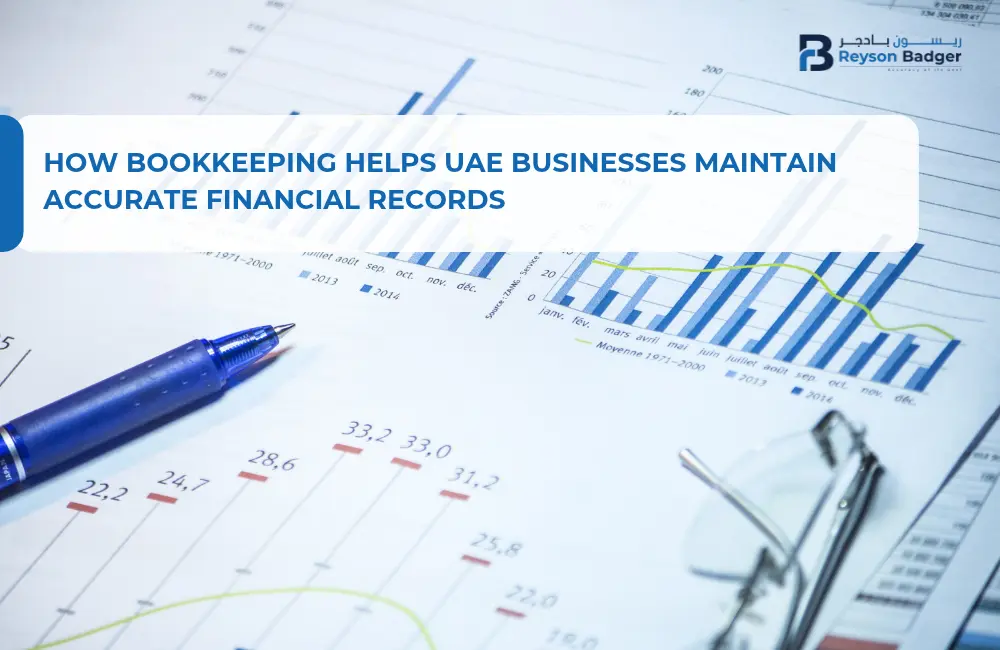
21
Oct
How Bookkeeping Helps UAE Businesses Maintain Accurate Financial Records?
Bookkeeping focuses mainly on recording and maintaining financial information, while financial management uses that information to support budgeting.
READ MORE →
19
Oct
How to Use ICP Smart Services for Emirates ID & Visa Applications
Simplify your UAE immigration procedures with assistance for ICP Smart Services, including Emirates ID applications, visa processing, residency services, and application tracking
READ MORE →
16
Oct
What Happens If a Company Does Not Complete Its Required Audit in the UAE?
Learn what can happen if a UAE company fails to complete its required audit and how businesses can manage audit and compliance obligations.
READ MORE →
14
Oct
UAE Corporate Tax Filing for Small Businesses: Everything You Need to Know
Learn how small businesses in the UAE can manage Corporate Tax filing, understand Small Business Relief eligibility, and meet FTA compliance requirements.
READ MORE →
13
Oct
UAE E-Invoicing Mandatory Requirements: What Businesses Need to Prepare
For businesses, this means an effective UAE e-invoicing solution needs to connect invoice creation with the required data structure, validation, electronic exchange, and reporting process.
READ MORE →
12
Oct
What Does an Auditor Check During a Financial Audit?
READ MORE →
14
Oct
How PRO Services Simplify Business Setup in Abu Dhabi
PRO services in Abu Dhabi for documentation, licensing and visa support.
READ MORE →
09
Oct
How Long Does a Company Audit Take in Dubai?
Learn how long a company audit takes in Dubai and how business size, financial records, supporting documents, and audit requirements affect the timeline.
READ MORE →
07
Oct
How Business Strategy Consulting Supports Sustainable Growth in the UAE?
Get practical strategic guidance for market entry, business growth, expansion, competitive positioning, and long-term planning in the UAE.
READ MORE →