
Saudi Arabia
Saudi Arabia
Saudi Arabia, formally recognized as the Kingdom of Saudi Arabia, is a Middle Eastern nation encompassing a significant portion of the Arabian Peninsula. It is bounded to the north by Jordan and Iraq, to the northeast by Kuwait, to the east by Qatar, Bahrain, and the United Arab Emirates, to the southeast by Oman, and to the south by Yemen. Eastern borders are the Arabian Gulf (Persian Gulf), while western borders are the Red Sea.
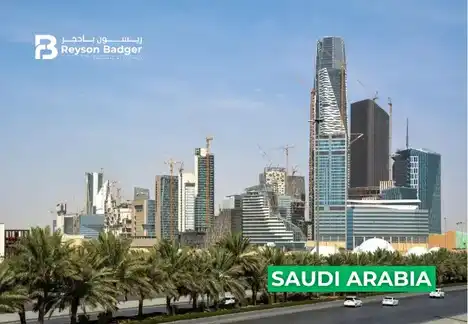
Saudi Arabia's economy is predominantly energy-driven, owing to its possession of some of the most substantial oil reserves globally. Rapid development and modernization have been fuelled by oil exports, which have transformed the nation into a regional economic powerhouse. Recent years have seen the implementation of economic diversification initiatives by the government, which aim to promote sectors such as renewable energy, technology, and tourism in order to reduce reliance on oil revenues.
The nation's varied topography encompasses expansive desert regions, including the Rub' al Khali (Empty Quarter), as well as coastal plains and mountain ranges. Mecca, Riyadh, the capital, and Jeddah are all significant cities. Saudi Arabia is renowned for its noteworthy historical and cultural monuments, which draw millions of tourists each year, with religious tourism during the Hajj pilgrimage being particularly significant.
- Vision 2030, an ambitious initiative introduced in 2016 by Crown Prince Mohammed bin Salman, seeks to reduce Saudi Arabia's reliance on oil for economic growth, foster social transformation, and establish the kingdom as a center for international investments. Numerous economic and social reforms have resulted from the initiative, including private sector expansion, investments in non-oil industries, and initiatives to empower women in the workforce.
- Saudi Arabia has made substantial investments in the development of its tourism industry with the objective of attracting millions of visitors per year by 2030. By granting tourist visas and developing tourist destinations such as Al Ula, which is home to the ancient Nabatean city of Madain Saleh, and the futuristic city of NEOM along the Red Sea coast, the country has become more receptive to international visitors.
- The entertainment industry in the kingdom has undergone a substantial transformation due to the introduction of cinemas, concerts, and cultural events. International artists and performers have been invited to the country through initiatives such as the Riyadh Season and Diriyah Season, thereby contributing to the expansion of the entertainment industry.
- Social Reforms: Saudi Arabia has implemented a number of social reforms in recent years in an effort to modernize the country's society and enhance the living conditions of its citizens. Promoting a more open and tolerant social environment, easing restrictions on gender segregation, and lifting the prohibition on women driving are some of these reforms.
Latest Blogs
How to Choose an Accredited Service Provider for UAE E-Invoicing?
An e-invoicing service provider helps businesses create, process, transmit and manage electronic invoices through systems designed to support the applicable e-invoicing framework.
READ MORE →
Accounting Software in UAE: How to Choose the Right Accounting Software for Your Business
Professional Accounting Software Consultant in Dubai or Accounting Software Consultant in UAE services can help you compare suitable options and make a more informed decision.
READ MORE →
How to Register Copyright in the UAE: Requirements, Fees, and Timeline
A practical guide explaining how to register copyright in the UAE, covering requirements, fees, process, timeline, and key benefits for individuals and businesses.
READ MORE →
What Does an Audit Service in Dubai Actually Include? A Full Breakdown
Not sure what an audit actually covers? This guide breaks down the full audit process step by step, from financial checks to reporting and explains what to expect from professional Audit Services in Dubai.
READ MORE →
How Businesses Can Stay VAT Compliant in 2026
Learn how businesses can stay VAT compliant in 2026 through proper registration, accurate filing, record keeping, invoicing, and regular compliance checks.
READ MORE →
UAE E-Invoicing: Latest Rules, Deadlines, Penalties and What Businesses Need to Know in 2026
Reyson Badger, businesses can get support in reviewing their current invoicing processes, understanding applicable requirements and preparing their accounting operations for the transition.
READ MORE →
How Government and Legal Services in UAE Support Business Setup and Operations
Explore how government and legal services help UAE businesses manage setup, licensing, immigration, documentation, compliance, and ongoing administrative requirements.
READ MORE →
Accounting Mistakes That Triggers Tax Issues in the UAE
Our Accounting services in UAE can include ongoing bookkeeping, financial record maintenance, reconciliations, financial reviews, and accounting support tailored to the needs of the business.
READ MORE →
Choosing the Right Audit Firm in Dubai: 10 Factors Every Business Should Consider
Not sure how to pick the right audit firm in Dubai? Discover 10 key factors, from credentials to communication to guide your decision.
READ MORE →
How Professional VAT Consultants Help Speed Up Registration and Ensure Compliance?
Get fast VAT registration and ongoing compliance in the UAE with expert consultants who prevent errors, avoid penalties, and ensure smooth FTA approval.
READ MORE →