
Internal Audit for UAE Real Estate and Construction Companies
27-Jan-2026
Auditing Services for Marine Companies
Reliable audits supporting compliance with maritime and financial regulations.
Auditors for Marine Companies
The UAE's maritime industry is vital to its economy, and its functions involve trade, transportation, and tourism. Due to the strategic location of the UAE and its well-developed port infrastructure, the sector has continued to expand in terms of investments and global partnerships.
Auditing in marine companies is essential for ensuring that businesses operate within the legal and financial guidelines established by local and international regulations. Good auditing procedures prevent financial irregularities, encourage responsibility, and support maritime companies in keeping their stakeholders' trust.
In the maritime industry, auditors for Marine Companies are essential to maintaining financial transparency and regulatory compliance. Analyzing financial data, assessing internal controls, and confirming that businesses follow industry norms lowers risks and improves operational effectiveness.
Key Areas of Audit for Marine Companies
- Financial Reporting: Ensures that the books of account accurately reflect the true state of financial dealings and enforces accountability.
- Compliance with Regulation: E nsures due Compliance with UAE maritime legislation, IMO (International Maritime Organization) conventions, MARPOL, SOLAS, and other global maritime standards.
- Risk Management: It identifies and mitigates the occurrence of various types of operational, financial, and environmental risks.
- Asset Management: Ship and equipment valuation, other asset valuations, and condition.
- Tax Compliance: Tax compliance includes meeting UAE corporate tax requirements applicable to maritime businesses and understanding exemptions available for international shipping activities.
Internal Controls: I nternal process reviews for fraud prevention and mismanagement.
UAE Maritime Regulations and Auditing Standards
The UAE has a well-established legal system that supports the marine industry to operate effectively, safely, and in a way that protects the environment. This system includes various laws related to ship registration, safety rules, environmental protection, and even labor laws for seafarers.
Key Regulatory Bodies Governing Marine Companies:
- Ministry of Energy and Infrastructure: Ensures the formulation and implementation of policies affecting the maritime sector on shipping safety and environmental standards.
- UAE Federal Transport Authority: The Ministry of Energy and Infrastructure (MOEI) oversees maritime transport regulations in the UAE, following the restructuring of the former Federal Transport Authority.
These regulatory bodies demand strict compliance features, whereby auditors play an important role in ensuring that the marine companies operate well within the rule of law. Auditing here involves even aspects related to safety, financial accuracy, and environmental guidelines.
Internal Audits for Risk Management
- Risk Assessment: A few of the operational risks regarding equipment failure and environmental hazards are identified and mitigated.
- Fraud Prevention: The financial records are reviewed for fraud detection and prevention.
- Asset Management: Ensures proper maintenance and utilization of ships and equipment.
- Insurance Compliance: Ensures that insurance policies match company needs and risk levels.
These regulating bodies impose strict standards of compliance, while auditors again play a significant role in ensuring that marine companies comply with the various laws set out by them in safety, financial accuracy, and adherence to environmental guidelines.
Challenges Faced by Auditors in Marine Companies
- The complexity of Maritime Transactions: Auditors face challenges with Marine transactions can involve cross-border elements, foreign ownership, and offshore entities, which increases the complexity for auditors..
- Fluctuating International Regulations: Keeping updated on ever-changing global maritime laws and ensuring their compliance may be challenging since UAE marine companies spread their activities around diverse jurisdictions.
Environmental Regulations: Environmental regulations evolve regularly due to updates in IMO frameworks and UAE sustainability policies, which marine companies must stay aligned with.
Benefits of Auditing for Marine Companies
Auditors for Marine Companies provide significant benefits :
- Operational Efficiency: Auditing aids in simplifying processes, which in turn helps manage costs more effectively.
- Stakeholder Trust: The fact that financial reporting is transparent instills confidence in the company among investors and partners.
- Risk Mitigation: Audits lessen the risks because the company ensures full compliance with UAE and international maritime regulations.
Choosing the Right Auditor for Marine Companies
- Industry-Specific Experience: Look for auditors with a proven track record in the marine sector, familiar with its unique financial and operational challenges.
- Local Expertise: Ensure the auditor has in-depth knowledge of UAE maritime regulations and global standards, crucial for maintaining compliance.
- Attention to Detail: The ability to handle complex transactions and identify potential risks is key for ensuring thorough audits in the marine industry.
Why Choose Us?
At Reyson Badger, we offer industry knowledge, customized solutions, and a strong dedication to quality. As leading auditors for marine companies, we have a thorough grasp of UAE rules and global standards, our team provides thorough auditing and financial services designed to meet your unique requirements. We emphasize precision, openness, and risk reduction, assisting businesses in staying compliant while enhancing their performance. Trust Reyson Badger to be your partner in achieving financial clarity and long-term success.
Audit
Audit in Free Zones
- DDA Approved Auditors
- DAFZA Approved Auditors
- Registered Auditors in JAFZA
- Approved Auditors in DMCC
- Dubai Technology and Media Free Zone
- Approved Auditors in Sharjah Media City Free Zone
- Auditors in Dubai Media City(DMC)
- Auditors in Sharjah Publishing City Free Zone (SPCFZ)
- Twofour54 Free Zone
- SRTIP Free zone Approved Auditors
- Registered Auditors in IFZA
- Registered Auditors in DWC
- Registered Auditors in RAKEZ
- Umm Al Quwain Free Trade Zone
- Dubai International Academic City Approved Auditors
- Registered Auditors in AFZ
- Registered Auditors in Meydan
- Registered Auditors in TECOM
- Registered Auditors in Dubai Silicon Oasis
- Dubai Production City
- Dubai Auto Zone
- Registered Auditors in SAIF Zone
- Dubai Biotechnology and Research Park
- Khalifa Port and Industrial Zone (KPIZ)
- Dubai Design District
- Dubai Car and Automotive City Free Zone
- DIC Approved Auditors
- Dubai CommerCity Free Zone
- Dubai Flower Centre Free Zone
- Ras Al Khaimah Media Free Zone
- Dubai Gold and Diamond Park
- RAK Maritime City Free Zone Authority
- Dubai Healthcare City Free Zone
- Ras Al Khaimah Free Trade Zone
- Dubai Studio City
- Masdar City Free Zone
- International Humanitarian City Free Zone
- Dubai Knowledge Village Free Zone
- Dubai Logistics City Free Zone
- Industrial City of Abu Dhabi Free Zone
- Dubai Knowledge Park Free Zone
- Auditors in Dubai Outsource City Free Zone
- Registered Auditors in ADAFZ
- Registered Auditors in FFZ
- Registered Auditors in HFZ
- Higher Corporation for Specialized Economic Zones
- Dubai Maritime City Free Zone
- Dubai Techno Park Free Zone
- Dubai Textile Village Free Zone
- Dubai World Trade Centre
- Fujairah Creative City Free Zone
- Khalifa Industrial Zone Abu Dhabi (KIZAD)
- Dubai Science Park Free Zone
Auditing Services for Industries
- Auditing Services for Bakeries in Dubai
- Auditing Services for Butcheries in Dubai
- Auditing Services for Catering Services in Dubai
- Auditing Services for Clinics in Dubai
- Auditing Services for Event Management Companies in Dubai
- Auditing Services for Groceries in Dubai
- Auditing Services for Gym in Dubai
- Auditing Services for Health Club in Dubai
- Auditing Services for Hospital in Dubai
- Auditing Services for Legal Translation Company in Dubai
- Auditing Services for Management Consulting Companies in Dubai
- Auditing Services for Minimarts in Dubai
- Auditing Services for Owner's Association (Building Association Management) in Dubai
- Auditing Services for Printing Press in Dubai
- Auditors For Exhibition Companies
- Auditors for Sports Companies
- Auditing Services for Real Estate in Dubai
- Auditing Services for Restaurant in Dubai
- Auditors for Family Business
- Audit Services for Online Trading Companies
- Auditors for Interior Design Companies
- Audit Services for Mining Companies
- Auditing Services for Shopping Malls in Dubai
- Auditing Services for Supermarkets in Dubai
- Auditors for Manufacturing Industries
- Auditors for Trading Companies
- Audits in the Hotel Industry
- Auditors for Pharmacies
- Auditors for Oil and Gas Companies in UAE
- Auditors for Hospitality Industry
- Auditors for Digital Marketing Companies
- Auditors for Marine Companies
- Auditors for Automobiles
- Auditors for Retail Companies
- Auditing for Construction Companies
- Auditors For Vacation Home Rental
- Auditing services for Advertisement Company in Dubai


Request a Quote
We’ll get back to you shortlyLatest Blogs

22
Oct
What is an Independent Audit and Why is Independence Important?
Learn what an independent audit involves, why auditor independence matters, and how it supports reliable financial reporting and business transparency.
READ MORE →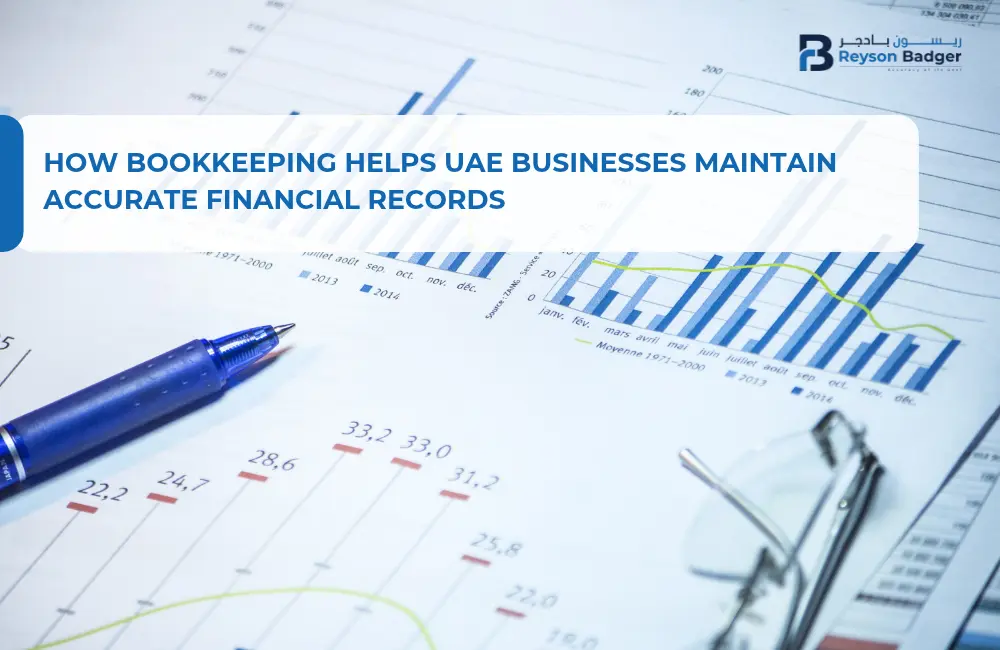
21
Oct
How Bookkeeping Helps UAE Businesses Maintain Accurate Financial Records?
Bookkeeping focuses mainly on recording and maintaining financial information, while financial management uses that information to support budgeting.
READ MORE →
19
Oct
How to Use ICP Smart Services for Emirates ID & Visa Applications
Simplify your UAE immigration procedures with assistance for ICP Smart Services, including Emirates ID applications, visa processing, residency services, and application tracking
READ MORE →
16
Oct
What Happens If a Company Does Not Complete Its Required Audit in the UAE?
Learn what can happen if a UAE company fails to complete its required audit and how businesses can manage audit and compliance obligations.
READ MORE →
14
Oct
UAE Corporate Tax Filing for Small Businesses: Everything You Need to Know
Learn how small businesses in the UAE can manage Corporate Tax filing, understand Small Business Relief eligibility, and meet FTA compliance requirements.
READ MORE →
13
Oct
UAE E-Invoicing Mandatory Requirements: What Businesses Need to Prepare
For businesses, this means an effective UAE e-invoicing solution needs to connect invoice creation with the required data structure, validation, electronic exchange, and reporting process.
READ MORE →
12
Oct
What Does an Auditor Check During a Financial Audit?
READ MORE →
14
Oct
How PRO Services Simplify Business Setup in Abu Dhabi
PRO services in Abu Dhabi for documentation, licensing and visa support.
READ MORE →
09
Oct
How Long Does a Company Audit Take in Dubai?
Learn how long a company audit takes in Dubai and how business size, financial records, supporting documents, and audit requirements affect the timeline.
READ MORE →
07
Oct
How Business Strategy Consulting Supports Sustainable Growth in the UAE?
Get practical strategic guidance for market entry, business growth, expansion, competitive positioning, and long-term planning in the UAE.
READ MORE →