
Accounting Services in Dubai: A Practical Guide for Growing Companies
19-Jan-2026
Anti Money Laundering Compliance Support in UAE
AML Compliance Support in UAE
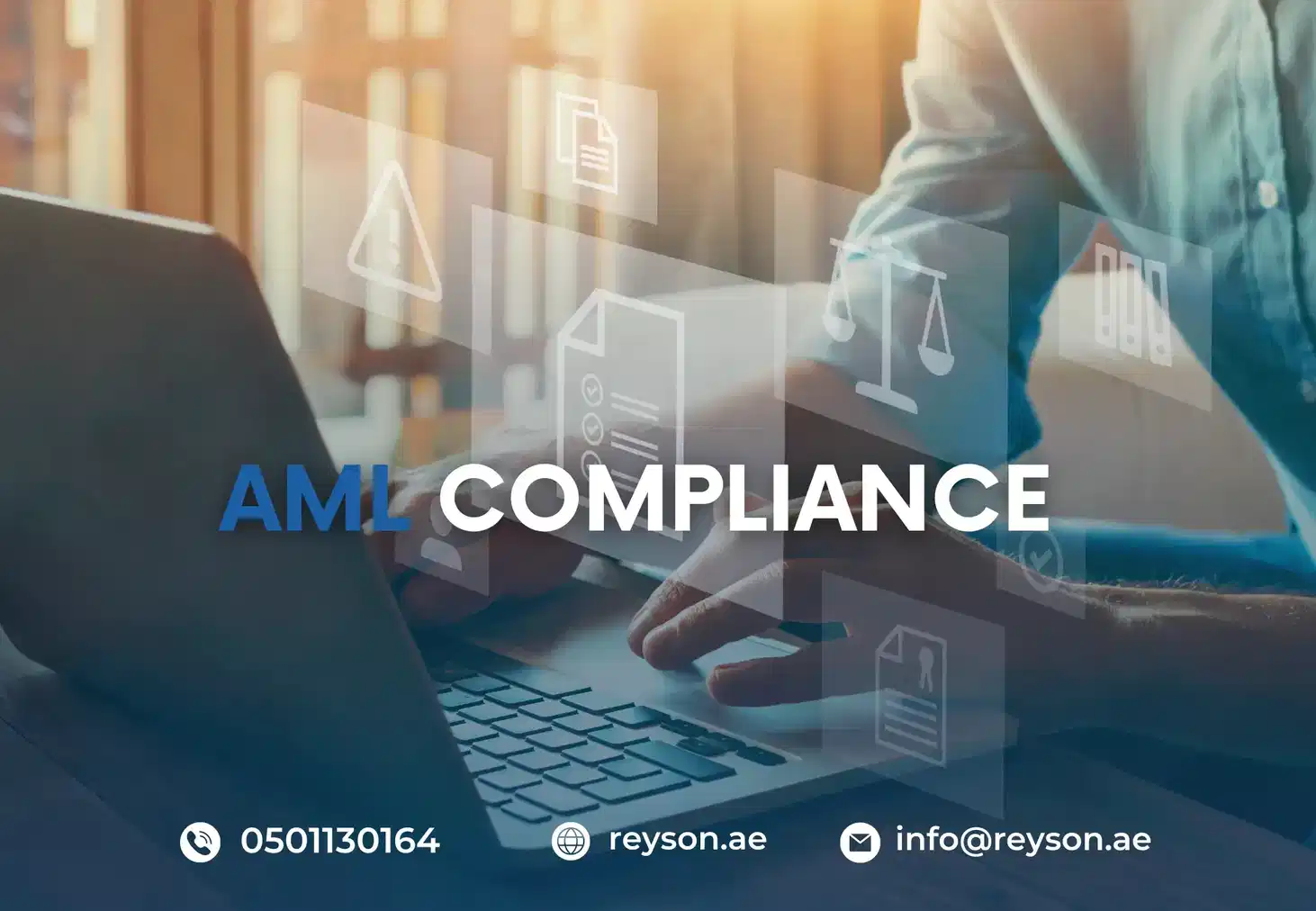
Anti-Money Laundering (AML) compliance refers to the legal and regulatory framework designed to prevent the flow of illegal funds through the financial system. It includes a set of policies, procedures, and controls that organizations must implement to detect and report suspicious activities indication of money laundering. AML compliance aims to ensure that businesses are not used as channels for criminal activities such as terrorism financing, drug trafficking, and corruption.
Importance of AML in Preventing Financial Crimes
AML compliance is crucial in the fight against financial crimes. Implementing strong AML measures helps in:
- Detection and Reporting: Effective AML programs enable the early detection of suspicious transactions and the prompt reporting of such activities to the relevant authorities, thereby preventing the misuse of financial systems.
- Protecting Financial Integrity: By adhering to AML regulations, businesses help maintain the integrity of the financial system, reducing the risk of financial institutions being exploited by criminals.
- Improving Business Reputation: Companies that comply with AML regulations demonstrate their commitment to ethical practices, improving their reputation and promoting trust among clients and stakeholders.
- Avoiding Legal Penalties: Non-compliance with AML laws can result in severe penalties, including heavy fines and legal sanctions. Adhering to AML regulations helps businesses Avoid these consequences and ensures smooth operational continuity.
In the UAE, AML compliance is particularly significant due to its strategic position as a global financial hub. The UAE government has implemented strict AML laws to fight financial crimes, ensuring the country's financial system remains secure and transparent. By utilizing AML Compliance Support services, businesses in the UAE can effectively manage these regulations, safeguarding their operations and contributing to the broader goal of financial crime prevention.
Key Components of AML Compliance Program in UAE
- Establishing Guidelines for AML Compliance: Creating strong AML policies and procedures is essential to assure compliance with UAE's regulatory framework. These guidelines should clearly define the responsibilities of employees, outline the processes for identifying and reducing risks, and establish protocols for monitoring and reporting suspicious activities.
- Identifying and Assessing AML Risks: A complete risk assessment is vital for identifying and analyzing the potential risks of money laundering and terrorist financing. This involves analyzing various factors such as customer profiles, transaction types, and geographical locations to determine the level of risk and implementing appropriate measures to mitigate these risks.
- Customer Due Diligence (CDD): CDD processes involve verifying the identity of clients to ensure they are not involved in illegal activities. This includes collecting and analyzing relevant information such as identification documents, transaction history, and assessing the risk associated with each customer. CDD is a critical component in preventing money laundering and maintaining the integrity of the financial system.
- Monitoring Transactions for Suspicious Activity: Effective transaction monitoring systems are necessary to detect and flag suspicious activities in real time. These systems should be capable of identifying unusual patterns and behaviors that may indicate money laundering or other financial crimes. Continuous monitoring helps in the early detection and prevention of illegal activities.
- Reporting Suspicious Transactions to Relevant Authorities: Timely and accurate reporting of suspicious transactions is a legal requirement in the UAE. Financial institutions must have procedures in place to report such activities to the relevant authorities, ensuring compliance with regulatory laws. Proper reporting helps authorities in their investigations and in taking appropriate actions against money laundering and terrorist financing activities.
Steps to Implement AML Compliance
Establishing a Compliance Team: Forming a Dedicated Team for AML Compliance
The first step in implementing an AML compliance program is to establish a dedicated compliance team. This team should be led by a compliance officer who is responsible for overseeing the implementation and effectiveness of the AML policies. The team should have a clear structure, defined roles, and responsibilities to ensure that all aspects of AML compliance are addressed efficiently.
Developing a Risk Based Approach: Customising AML Measures to Specific Risks
A risk-based approach is essential for effective AML compliance. This involves identifying, assessing, and prioritizing the risks of money laundering and terrorist financing specific to the organization. By customizing AML measures to these risks, resources can be allocated more effectively to areas of higher risk, ensuring a more targeted and efficient compliance program.
Creating an AML Compliance Checklist: Checklist for Ensuring Complete Compliance
Developing an AML compliance checklist helps ensure that all necessary measures are in place and consistently followed. This checklist should include key components such as customer due diligence, transaction monitoring, reporting suspicious activities, employee training, and regular independent audits. A well-structured checklist serves as a practical tool for ongoing compliance management and helps in maintaining a complete and strong AML program.
Role of independent audits and reviews in AML compliance
- Conducting Periodic Audits to Evaluate AML Program Effectiveness: Independent audits and reviews are crucial for evaluating the effectiveness of an AML compliance program. These audits should be conducted periodically to ensure that all aspects of the AML measures are functioning as intended and are compliant with relevant regulations. Regular audits help in maintaining the integrity of the program by providing an objective assessment of its performance.
- Identifying Gaps and Areas for Improvement: Through these independent reviews, weaknesses and areas needing improvement can be identified. The audit process involves a thorough examination of the existing AML framework to detect any weaknesses or non compliance issues. Addressing these weaknesses promptly helps in strengthening the overall AML strategy and reducing potential risks.
Training and Awareness
- Educating Staff on AML Laws and Internal Policies: Employee training and awareness are fundamental to the success of an AML compliance program. Staff must be educated on AML laws, regulations, and internal policies to ensure they understand their responsibilities and the importance of compliance. Training sessions should cover the latest legal requirements and company specific procedures.
- Regular Training Programs for Ongoing Awareness: Regular training programs are essential to maintain ongoing awareness and to keep employees updated on new threats and changes in AML regulations. These programs should be conducted at intervals to strengthen knowledge and adapt to evolving compliance landscapes.
Technology and Tools
- Utilizing Software for Transaction Monitoring and Risk Assessment: Advanced technology and tools play a significant role in improving the efficiency of AML compliance programs. Utilizing software for transaction monitoring and risk assessment helps in the early detection of suspicious activities and potential money laundering threats. These tools can analyze large volumes of data and identify patterns indicative of illegal activities.
- Implementing Systems for Automated Compliance Processes: Automation of compliance processes through technology can significantly reduce the manual workload and increase accuracy. Systems for automated compliance processes streamline various AML tasks, such as customer due diligence, transaction monitoring, and reporting, ensuring consistency and compliance with regulatory standards.
Why Are AML Compliance Services Required in the UAE?
Every financial institution or Designated Non-Financial Business and Profession (DNFBP) in the UAE needs to be AML-compliant due to the complexity of the laws and regulations surrounding AML/CFT. Engaging a reputable company or consultant who provides AML compliance solutions is essential for several reasons:
- Eliminate Non-Compliance Risks: Failure to comply with the UAE's strict AML regulations can result in severe consequences, such as administrative penalties ranging from AED 50,000 to AED 5,000,000 for each violation. Professional AML compliance services help reduce non-compliance risks.
- Find and Rectify Operational Risks: Non-compliance with AML regulations can corrupt internal processes and systems, leading to significant financial and operational losses. AML compliance service providers conduct deep assessments to identify and fix potential vulnerabilities, avoiding costly disruptions.
- Avoid Public Humiliation: Businesses involved in money laundering activities suffer immense reputational damage and negative publicity, potentially losing clients and future business prospects. Reliable AML compliance experts help protect your company's reputation and public image by ensuring transparency.
- Reduce Chances of AML Notifications: Financial institutions and DNFBPs may receive AML notifications from relevant authorities if they are suspected of involvement in ML/FT activities. AML consultants work closely with businesses to track and report any suspicious transactions or activities, ensuring timely reporting and implementation of necessary measures to avoid notifications due to negligence.
AML Consulting Services
Reyson Badger offers invaluable expertise in AML compliance support, essential for managing the strict legal environment in the United Arab Emirates. Their customized solutions include complete services such as customer onboarding, PEPs and sanctions screening, transaction monitoring, AML reporting, and strategic financial crime advice. By managing Reyson Badger specialized knowledge and experience, businesses can effectively reduce compliance risks, ensure regulatory adherence, and safeguard their reputation. Whether it's improving internal controls or responding to regulatory changes, Reyson Badger stands as a trusted partner committed to promoting transparency and flexibility against financial crimes.
Accounting
Accounting Services for Industries
- Engine Manufacturing
- Pharmaceutical Manufacturing Industry in UAE
- Accounting Services For Bread Manufacturing Units in Dubai
- Manufacturing Sector in UAE
- Accounting For Tobacco And Cigarette Manufacturing Industry in Dubai
- Iron and Steel Casting Industry in UAE
- Accounting for Marine Companies in UAE
- Accounting for Insurance Companies in UAE
- Accounting Services for Construction in UAE
- Accounting Services for Event Management in UAE
- Accounting Services for Oil and Gas in UAE
- Accounting Services for Real Estate in UAE
- Accounting Services for Restaurants in UAE
- Accounting services for E-Commerce in UAE
- Accounting Services for Technology in UAE
- Accounting Services for Food Manufacturing Industry in UAE

Request a Quote
We’ll get back to you shortlyLatest Blogs

16
Sep
How to Calculate VAT in UAE 2026: Complete Guide
Learn how to calculate VAT in the UAE in 2026, including VAT formulas, taxable amounts, input VAT, output VAT, and practical calculation examples.
READ MORE →
15
Sep
How to Choose an Accredited Service Provider for UAE E-Invoicing?
An e-invoicing service provider helps businesses create, process, transmit and manage electronic invoices through systems designed to support the applicable e-invoicing framework.
READ MORE →
16
Sep
How to Get a UAE Residence Visa: Step-by-Step Guide
Learn how to apply for a UAE residence visa, including visa types, eligibility, required documents, application steps, costs, and common mistakes to avoid
READ MORE →
11
Sep
Accounting Software in UAE: How to Choose the Right Accounting Software for Your Business
Professional Accounting Software Consultant in Dubai or Accounting Software Consultant in UAE services can help you compare suitable options and make a more informed decision.
READ MORE →
10
Sep
How to Register Copyright in the UAE: Requirements, Fees, and Timeline
A practical guide explaining how to register copyright in the UAE, covering requirements, fees, process, timeline, and key benefits for individuals and businesses.
READ MORE →
09
Sep
What Does an Audit Service in Dubai Actually Include? A Full Breakdown
Not sure what an audit actually covers? This guide breaks down the full audit process step by step, from financial checks to reporting and explains what to expect from professional Audit Services in Dubai.
READ MORE →
03
Sep
How Businesses Can Stay VAT Compliant in 2026
Learn how businesses can stay VAT compliant in 2026 through proper registration, accurate filing, record keeping, invoicing, and regular compliance checks.
READ MORE →
04
Sep
UAE E-Invoicing: Latest Rules, Deadlines, Penalties and What Businesses Need to Know in 2026
Reyson Badger, businesses can get support in reviewing their current invoicing processes, understanding applicable requirements and preparing their accounting operations for the transition.
READ MORE →
03
Sep
How Government and Legal Services in UAE Support Business Setup and Operations
Explore how government and legal services help UAE businesses manage setup, licensing, immigration, documentation, compliance, and ongoing administrative requirements.
READ MORE →
02
Sep
Accounting Mistakes That Triggers Tax Issues in the UAE
Our Accounting services in UAE can include ongoing bookkeeping, financial record maintenance, reconciliations, financial reviews, and accounting support tailored to the needs of the business.
READ MORE →