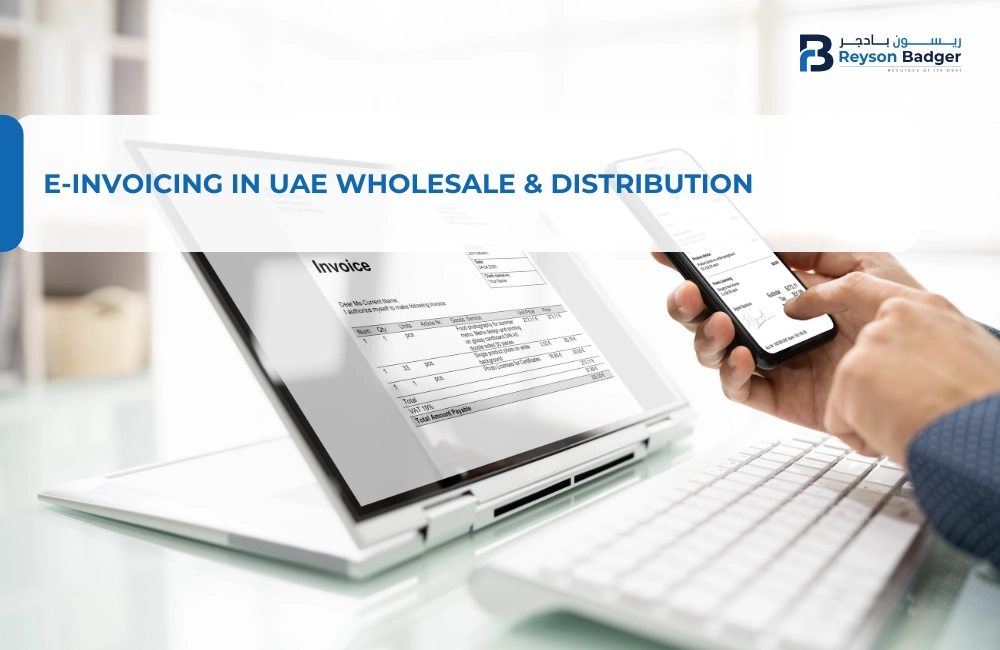


E-invoicing in UAE is quickly becoming an essential part of how modern businesses operate, especially in sectors like wholesale and distribution where transaction volumes are high and processes are complex. Unlike traditional invoicing, electronic invoicing creates, processes, and stores invoices in a structured digital format, making it easier to manage large-scale operations.
For wholesale distributors, this shift is not just about going paperless. It is about improving speed, reducing manual work, and aligning with evolving tax and compliance expectations. With VAT regulations already in place and increasing focus on digital reporting, businesses are now looking at e-invoicing systems UAE as a way to stay compliant while improving operational efficiency.
In simple terms, adopting E-invoicing services in UAE helps businesses move from reactive accounting to a more real-time, transparent financial process.
Understanding E-Invoicing Requirements for Wholesale Distributors
Wholesale and distribution businesses deal with bulk orders, multiple clients, and frequent invoicing cycles. Because of this, compliance requirements for e-invoicing are more structured and detail-oriented compared to smaller businesses.
E-invoicing in UAE typically requires invoices to follow a standardized digital format. This means invoices must include specific fields such as supplier details, VAT information, item descriptions, and transaction values in a machine-readable structure. This standardization ensures that invoices can be automatically validated and processed without manual intervention.
Another important aspect is how invoices are generated and shared. Instead of sending PDFs or paper invoices, businesses using E-invoicing systems UAE generate invoices directly through integrated platforms. These invoices can then be transmitted digitally to customers and, when required, to regulatory systems.
For wholesale businesses, this changes the entire invoicing workflow. Invoice creation becomes system-driven, approvals are automated, and reporting becomes more accurate. It also reduces dependency on manual data entry, which is one of the biggest sources of errors in traditional invoicing.
Operational Benefits for Wholesale & Distribution Firms
The biggest advantage of E-invoicing for wholesale UAE businesses is efficiency. When invoicing is automated and integrated with business systems, it directly impacts speed, accuracy, and financial visibility.
Instead of listing everything, it is easier to understand the benefits in practical terms:
- Faster invoice processing
Invoices are generated instantly and delivered electronically, reducing delays in billing cycles. This is especially useful for distributors handling hundreds of invoices daily. - Reduced errors and rework
Automated validation ensures that tax calculations, quantities, and totals are accurate before the invoice is sent. This minimizes disputes and corrections. - Seamless system integration
Modern e-invoicing services in UAE can integrate with ERP, inventory, and accounting systems. This means sales, stock, and finance data stay connected without duplication. - Improved cash flow visibility
With real-time tracking of invoices, businesses can monitor receivables more effectively and follow up on pending payments without delays.
For wholesale distributors, these improvements are not just operational—they directly impact profitability and working capital management.
Implementation Considerations & Best Practices
While the benefits are clear, implementing E invoicing UAE systems requires proper planning. Many businesses face challenges not because of the technology, but because of poor implementation strategies.
The first step is choosing the right solution. Not all e-invoicing systems UAE are designed for high-volume wholesale operations. Businesses should look for systems that support bulk invoicing, integration with inventory systems, and automated reconciliation.
Integration is another critical factor. E-invoicing should not work in isolation. It must connect with billing, warehouse, and accounting systems so that data flows seamlessly across departments. Without this, businesses may still face inefficiencies despite adopting digital invoicing.
Training is equally important. Staff need to understand how the system works, how to generate compliant invoices, and how to manage exceptions. A well-trained team ensures that the transition from manual to digital invoicing is smooth.
Finally, businesses must focus on audit readiness. Since all invoices are digitally stored, maintaining proper records becomes easier but only if systems are set up correctly. Proper documentation and structured storage help businesses stay prepared for any regulatory review.
Conclusion
E-invoicing in UAE is not just a regulatory shift—it is a major operational upgrade for wholesale and distribution businesses. By replacing manual processes with automated workflows, companies can improve accuracy, reduce costs, and gain better control over their financial data.
However, the real value of E-invoicing services lies in how well they are implemented. Businesses that take a structured approach choosing the right system, integrating it properly, and training their teams can unlock significant efficiency gains.
Reyson Badger as compliance requirements continue to evolve, adopting E-invoicing services in UAE is no longer optional for growing wholesale businesses. It is a strategic step toward better transparency, faster operations, and long-term scalability.
FAQs
1. What are the basic requirements for e-invoicing in UAE for wholesale businesses?
UAE e-invoices must follow a standardized digital format that includes supplier details, VAT information, item descriptions, and transaction values in a machine-readable structure. These invoices must be generated through integrated platforms and transmitted digitally — not as PDFs or paper invoices.
2. How does e-invoicing integrate with existing wholesale business systems?
Modern e-invoicing systems in UAE can integrate directly with ERP, inventory, and accounting platforms. This ensures that sales, stock, and finance data remain connected across departments without duplication or manual data entry.
3. Is e-invoicing mandatory for wholesale and distribution businesses in UAE?
While full mandates are still evolving, e-invoicing is fast becoming a compliance necessity for UAE businesses, especially with VAT regulations in place and increasing digital reporting requirements. Wholesale businesses adopting it now gain a strategic advantage in transparency and scalability.