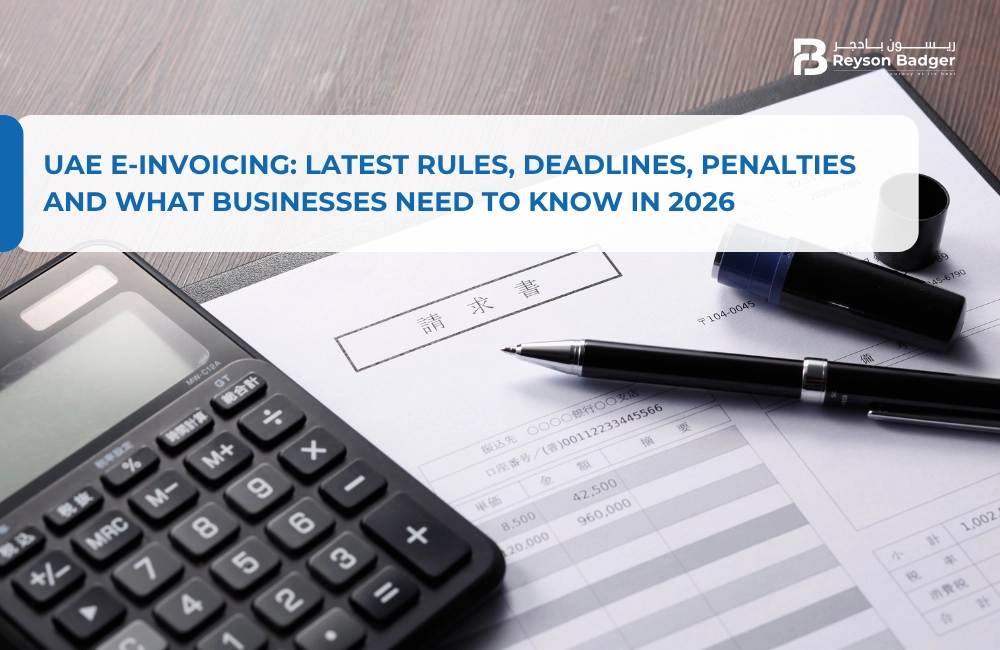


The UAE is stepping into a new era of digital tax compliance. Soon, mandatory e invoice systems will become a standard for businesses across various industries. This shift aims to improve efficiency, enhance transparency, and ensure compliance with local tax regulations.
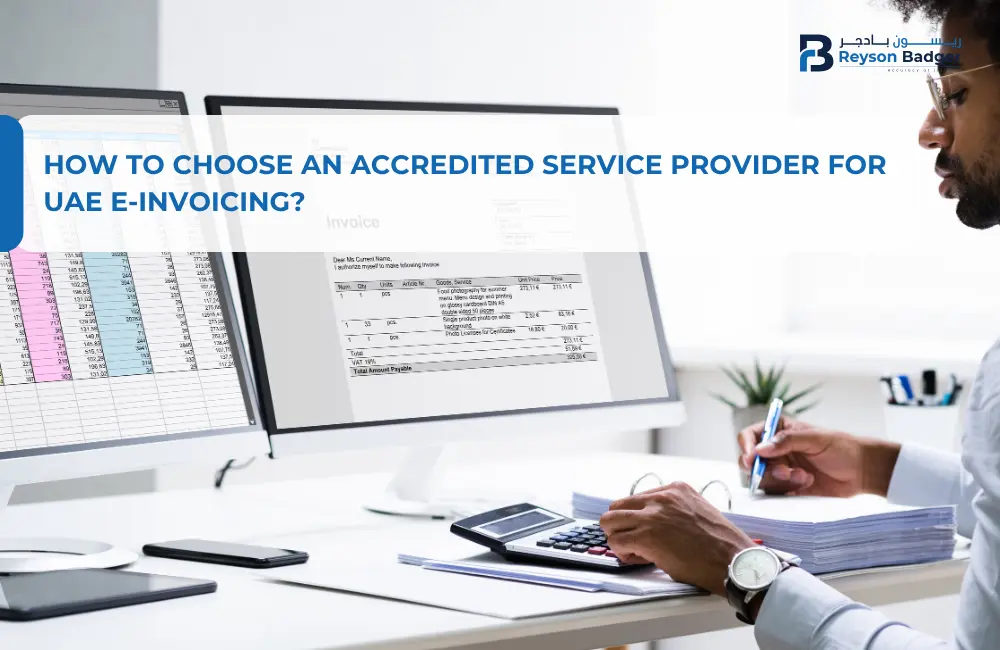
If you’re looking to adopt an e invoice system for your business, choosing the right solution is crucial. The wrong choice can lead to compliance issues, delays, and extra costs. But don’t worry in this blog, we’ll walk you through how to select an e-invoicing system that matches your business needs.
Why your UAE Business needs an E-Invoice System?
The UAE’s E-Invoicing System, managed by the Ministry of Finance (MoF) and Federal Tax Authority (FTA) under amended VAT and tax laws, is being rolled out in phases, not immediately for all businesses. Adopting an e-invoicing system early helps ensure compliance, reduce errors, streamline processes, and prepare your business for the UAE’s digital tax future.
Implementation Timeline & Phases
The UAE’s e-invoicing rollout follows a phased implementation plan to ensure a smooth transition for all taxpayers. The pilot (voluntary) phase begins on 1 July 2026 . Large taxpayers with annual revenues of AED 50 million or more must appoint an ASP by 31 July 2026 and adopt mandatory e-invoicing from 1 January 2027 . Other businesses with revenues below AED 50 million should appoint an ASP by 31 March 2027 and start mandatory implementation by 1 July 2027 . Government entities (B2G) will follow, with mandatory adoption from 1 October 2027 .
Benefits of adopting an e-invoice system include:
- Faster invoicing and payments
- Automation of VAT calculations and reporting
- Better compliance with UAE tax laws
- Improved operational efficiency across industries like retail, services, construction, and more
- Whether you’re a small business or a large enterprise, having the right e-invoice system helps you stay ahead of compliance deadlines and reduces manual errors.
Key Features to Look for in an E-Invoicing Solution
When selecting your e-invoicing system, focus on these important features:
- Regulatory Compliance: The solution must support the UAE Ministry of Finance / FTA e-invoicing scheme. It should be capable of generating compliant invoices, submitting them via ASPs, handling rejections, and maintaining records. Ensure the vendor keeps up with updates to the MoF specifications.
- ERP Integration & Automation: The system should seamlessly connect with your existing ERP or accounting software to automate invoice creation, validation, and submission.
- Near real-time validation: The e-invoice system should automatically validate data before transmission through an Accredited Service Provider (ASP), ensuring accuracy and smooth reporting to the FTA.
- Arabic-English Language Support: Since UAE businesses operate bilingually, support for both languages is essential.
Data Security & Cloud Storage: Your data must be protected through encryption, and cloud storage ensures easy and secure access. - User Access Control & Scalability: CONTROL who can access or modify invoices, and ensure the solution scales as your business grows.
Business-Specific Considerations Before you Choose
Every business is different. Think about your specific needs:
- Size of your business: SME or large enterprise?
- Industry type: Retail, construction, services, etc.?
- Budget: How much are you willing to invest?
- Technical complexity: Do you want an easy setup or a fully customizable system?
- Software compatibility: Will it work with your current accounting or ERP system?
- Deployment type: On-premise or cloud-based?
Evaluate each of these factors based on your current and future needs.
Red Flags to Watch Out For
Be cautious of solutions that may look attractive but have hidden issues:
- Lack of official compliance certifications
- Limited or poor customer support
- No updates for regulatory changes
- Inflexible system with a bad user experience (UX/UI)
- Hidden costs or ongoing fees
Questions to Ask Your E-Invoicing Vendor
Before signing any contract, ask these important questions:
- How often do you update your software for new regulations?
- What’s your support response time?
- Can your system integrate with my existing software?
- What’s the onboarding and training process?
- Clear answers to these questions will help you choose a reliable partner.
Conclusion
Investing in the right e invoice system isn’t just about compliance it’s about supporting your long-term growth. A well-chosen solution will streamline your operations, reduce errors, and keep you ahead of regulatory changes.
Take your time to assess options based on your business size, industry, and specific needs. The right e-invoicing solution can be a game-changer for efficiency, compliance, and business success in the UAE’s digital economy.