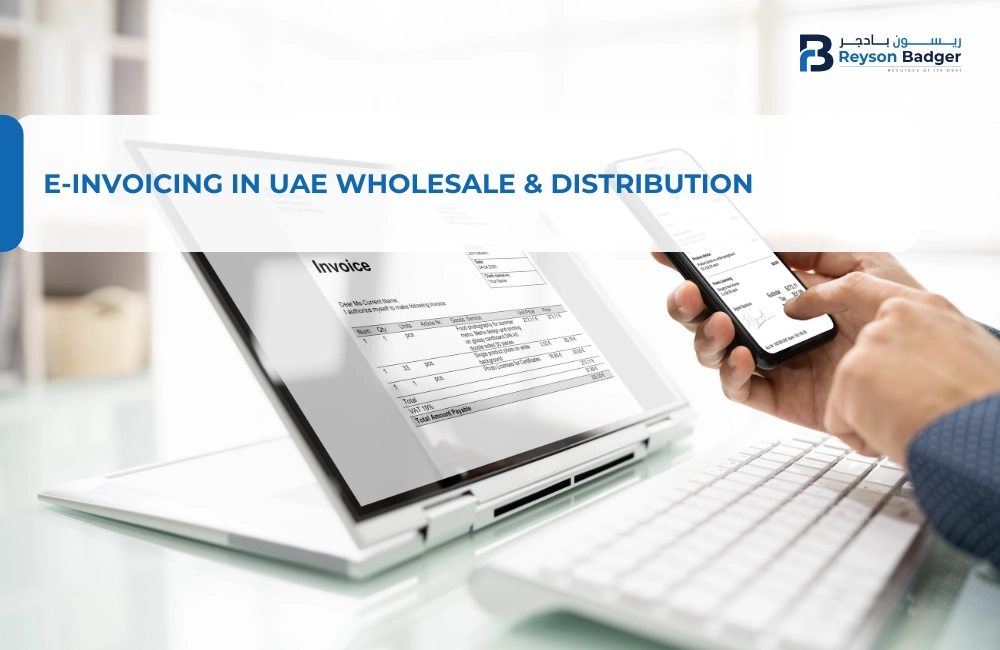


The UAE is preparing to introduce a structured e-invoicing system as part of its digital tax transformation, led by the Federal Tax Authority. This new system focuses on real-time data exchange, transparency, and improved compliance.
As businesses start preparing for UAE e invoicing, one common question keeps coming up: Are QR codes required on invoices?
This confusion is understandable. In some countries, QR codes are a mandatory part of e-invoicing. So naturally, many UAE businesses assume the same rules apply here. However, the UAE framework follows a different approach.
What is a QR Code in E-Invoicing?
A QR code in e-invoicing is a small, scannable code that contains key invoice information. When scanned, it can quickly display details such as supplier name, Tax Registration Number (TRN), invoice value, and VAT amount.
Globally, QR codes are often used to simplify invoice verification. Tax authorities and customers can scan the code to confirm that the invoice is valid and properly reported.
In some systems, QR codes also help with audit processes by making invoice data easily accessible and traceable. This can reduce manual checks and improve efficiency.
Is QR Code Mandatory in UAE E-Invoicing?
The simple answer is: No, QR codes are not mandatory in UAE e-invoicing.
The UAE e-invoicing system is built around structured electronic invoices, not visual elements like QR codes. Businesses are required to generate invoices in a specific digital format and submit them through approved channels.
Key points to understand:
- Compliance is based on structured data, not QR code display.
- Invoices must be created in formats like XML aligned with UAE standards.
- Validation happens through system checks, not by scanning QR codes.
- Businesses must connect through accredited platforms for invoice exchange.
The UAE model is based on the Peppol framework, where invoices are securely transmitted between systems. This means compliance depends on digital validation rather than visual verification tools.
What Businesses Should Focus on Instead?
Instead of worrying about QR codes, businesses should focus on the actual UAE e-invoicing requirements.
- Ensure invoices are generated in structured formats such as XML (PINT AE standard).
- Integrate ERP or accounting systems with the Peppol-based network.
- Enable real-time or near real-time invoice validation and submission.
- Work with reliable E-invoicing services UAE to handle compliance smoothly.
QR codes can still be used optionally. Some businesses may include them for internal tracking, faster customer verification, or added convenience but they are not required for compliance.
Conclusion
Preparing for UAE E-Invoicing Compliance
To sum up, QR code e-invoicing UAE is not a mandatory requirement. The UAE system focuses on structured data, secure transmission, and system-based validation rather than visual elements.
Reyson Badger businesses should concentrate on proper e invoicing implementation, including system integration, data accuracy, and compliance with technical standards. Preparing early for the 2026–2027 rollout will help avoid last-minute challenges.
By adopting the right E-invoicing Services in UAE, businesses can ensure smooth compliance, improve efficiency, and stay ready for the future of digital taxation in the UAE.
FQAs
1. Are QR codes mandatory for UAE e-invoicing?
No. QR codes are not mandatory under the UAE e-invoicing system. The UAE framework focuses on structured digital invoices and system-based validation not visual elements like QR codes.
2. What is a QR code in e-invoicing and how is it used globally?
QR code in e-invoicing is a small, scannable code that contains key invoice information such as supplier name, Tax Registration Number (TRN), invoice value, and VAT amount. While many countries use QR codes for invoice verification, the UAE follows a different, more advanced approach.
3. What format must UAE e-invoices follow?
Invoices must be created in structured digital formats such as XML aligned with UAE standards, specifically the PINT AE standard. Compliance is based on structured data accuracy, not QR code display.