

Accurate accounting is more than recording sales, expenses, and payments. For businesses in the UAE, proper accounting also supports VAT compliance, Corporate Tax reporting, financial planning, and day-to-day decision-making.
Even a small accounting mistake can create a tax issue if it affects the figures reported to the Federal Tax Authority (FTA). A missing invoice, incorrect expense classification, delayed bookkeeping, or unreconciled bank balance can make it harder for a business to prepare accurate tax returns and supporting records.
This is why businesses need reliable accounting processes and regular financial reviews. Professional Accounting services UAE can help businesses maintain accurate records, identify errors early, and reduce the risk of tax-related problems.
The Link Between Accounting Errors and Tax Compliance
Accounting and tax compliance are closely connected. Tax returns are prepared using financial information recorded in the business's accounting system. If that information is incomplete or incorrect, the tax figures may also be affected.
For example, suppose a business incorrectly categorises an expense and treats an amount as eligible for VAT input tax recovery when the supporting conditions are not met. This can result in an incorrect VAT claim. Similarly, if bookkeeping is delayed, important transactions may not be recorded on time, making it harder to prepare accurate tax calculations and meet compliance deadlines.
The same principle applies to Corporate Tax. Businesses need reliable financial records to determine taxable income and prepare their Corporate Tax returns. Errors in revenue, expenses, adjustments, or supporting documents can affect the information used for tax reporting.
Small errors should therefore not be ignored. When mistakes continue for several months, they can accumulate and become much harder and more expensive to correct.
Top Accounting Mistakes That Trigger Tax Problems
Mixing Personal and Business Expenses
Using business accounts or company cards for personal spending can make financial records difficult to understand. It becomes harder to identify which expenses relate to business activities and which do not.
This can also create problems when reviewing expenses for tax purposes. Businesses should maintain a clear separation between personal and business transactions and keep appropriate supporting records for business expenses.
Missing or Lost Invoices
Invoices and other supporting documents provide evidence for recorded transactions. Losing invoices can make it difficult to verify purchases, expenses, and VAT-related information.
A business may know that it paid a supplier, but without proper documentation, confirming the nature and details of the transaction can become difficult.
Businesses should have a systematic process for storing invoices, receipts, contracts, and other financial documents.
Incorrect Expense Categorisation
An expense recorded under the wrong account can affect financial reports and tax calculations.
For example, a business may record a capital expenditure as an ordinary operating expense or classify a personal expense as a business cost. These errors can affect the accuracy of the financial statements and the information used for tax reporting. Proper account classification and periodic review can help identify these issues before they affect tax filings.
Delayed Bookkeeping
When accounting records are updated only occasionally, errors can remain hidden for longer.
Delayed bookkeeping may result in missing transactions, incomplete records, outdated financial information, and difficulties during tax return preparation. It can also make it harder for business owners to understand their current financial position. Regular bookkeeping gives businesses a more accurate view of their finances and makes tax preparation more manageable.
Revenue Recognition Errors
Recording revenue incorrectly can affect both accounting reports and tax calculations.
Businesses may accidentally record revenue in the wrong period, fail to record certain sales, or duplicate transactions. These errors can cause differences between actual business activity and the figures shown in the accounting records. Revenue should be recorded consistently and supported by appropriate sales documentation.
Bank Reconciliation Issues
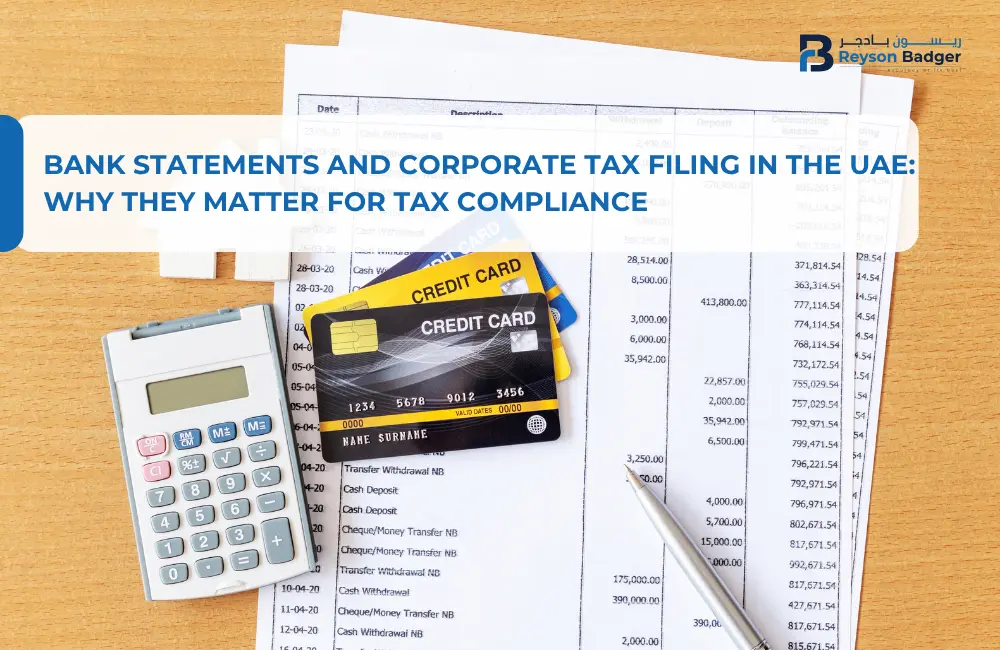
A bank reconciliation compares accounting records with actual bank transactions. If reconciliations are not performed regularly, unexplained differences can remain in the accounts.
These differences may be caused by missing transactions, duplicate entries, incorrect amounts, bank charges, or timing differences. Regular bank reconciliation helps businesses identify these issues before they affect financial reporting or tax calculations.
Payroll Mistakes
Payroll involves more than simply paying employees. Businesses need to maintain accurate records of salaries, allowances, deductions, and other employment-related payments.
Incorrect payroll records can affect the company's financial accounts and create difficulties when reviewing employment costs and supporting documentation.
A consistent payroll process helps keep employee-related accounting records complete and accurate.
Failure to Maintain Supporting Documents
Accounting records should be supported by relevant documents such as invoices, receipts, bank statements, contracts, payroll records, and other transaction evidence.
Recording an amount without keeping adequate supporting documentation can create problems when the transaction needs to be reviewed or explained.
Good document management is therefore an important part of maintaining tax-ready accounting records.
Hidden Costs of Poor Accounting Practices
Accounting mistakes do not always create an immediate financial loss. However, their effects can become more serious when they remain unresolved.
One possible consequence is tax penalties. Incorrect or incomplete tax information can create compliance issues, depending on the nature of the error and the applicable UAE tax requirements. Poor accounting can also increase the risk of interest, fines, or additional costs where tax obligations are not handled correctly or on time.
There may also be greater audit and review risks. When financial records contain unexplained differences, missing documents, or inconsistent figures, responding to questions from authorities, auditors, banks, or other stakeholders can become more difficult.
Another hidden cost is the effect on cash flow. If a business does not have accurate information about its income, expenses, receivables, and liabilities, it may make poor financial decisions.
Over time, poor accounting can also affect business reputation. Inaccurate financial information may reduce confidence among investors, lenders, suppliers, business partners, and other stakeholders.
Early Warning Signs Your Accounting Needs Attention
Poor accounting does not always become obvious through a major tax problem. In many cases, businesses can identify warning signs before the situation becomes serious.
Watch for signs such as:
- Financial records requiring frequent corrections
- Missing invoices, receipts, or bank statements
- Financial reports being prepared late
- Unexplained differences between bank balances and accounting records
- Repeated problems during VAT or Corporate Tax preparation
- Difficulty explaining individual transactions
- Different figures appearing in different financial reports
These are not necessarily proof of a tax violation. However, they indicate that the accounting process may need closer review.
The earlier these issues are identified, the easier it usually is to correct the underlying records.
How UAE Businesses Can Prevent Tax Problems
Preventing accounting-related tax issues starts with building a consistent financial process rather than waiting until a tax return is due.
Maintain Monthly Bookkeeping
Bookkeeping should be updated regularly so that sales, purchases, expenses, payments, and receipts are recorded accurately.
Monthly bookkeeping also gives business owners timely financial information instead of requiring them to reconstruct several months of transactions at once.
Perform Regular Reconciliations
Bank accounts, credit cards, receivables, payables, and other relevant accounts should be reviewed regularly. Reconciliation helps identify differences and missing transactions before they become larger problems.
Conduct Internal Financial Reviews
Businesses should periodically review their accounting records rather than relying only on year-end checks.
An internal review can examine unusual expenses, outstanding balances, revenue records, supporting documents, and other areas where errors may occur.
Organise Financial Documents
Invoices, receipts, contracts, bank statements, payroll documents, and tax records should be stored systematically. A clear document management process makes it easier to locate supporting evidence when preparing tax returns or responding to financial queries.
Use Reliable Accounting Software
Accounting software can reduce manual work and improve consistency. It can help businesses record transactions, generate reports, reconcile accounts, track invoices, and maintain financial information in one place.
However, software does not replace proper accounting controls. Incorrect information entered into a system can still produce incorrect reports.
Stay Updated With UAE Tax Regulations
UAE tax rules and compliance requirements can change. Businesses should regularly check applicable requirements and make sure their accounting processes support current VAT and Corporate Tax obligations.
Establish an Accounting Review Calendar
One useful practice is to create a simple monthly and quarterly review calendar. Instead of checking records only when a tax return is due, businesses can assign specific dates for bookkeeping reviews, reconciliations, document checks, tax preparation, and management reporting. This creates accountability and reduces the chance of important accounting tasks being forgotten.
When Should You Seek Professional Accounting Support?
Not every business needs the same level of accounting assistance. However, professional support can become particularly useful when financial transactions become more complex.
- Rapid Business Growth: As a business grows, the number of sales, expenses, employees, suppliers, and financial transactions usually increases. Managing everything manually can make errors more likely.
- Multiple Business Transactions: Businesses handling a high volume of transactions may benefit from professional bookkeeping and regular financial reviews.
- VAT Registration : VAT-registered businesses need to maintain appropriate records and ensure their accounting processes support accurate VAT reporting. Professional accounting support can help businesses organise transactions and documentation before VAT return preparation.
- Corporate Tax Obligations: Corporate Tax has made accurate financial records even more important for many UAE businesses. Professional accountants can help businesses maintain accounting records and prepare the financial information needed for tax compliance.
- Expansion Into New Markets: Entering new markets can introduce additional currencies, suppliers, customers, transactions, and regulatory considerations. Professional accounting support can help businesses maintain consistency as their operations expand.
How Reyson Badger Helps Businesses Avoid Tax-Related Accounting Mistakes
At Reyson Badger, accounting support is designed to help UAE businesses maintain accurate financial records while supporting their wider tax and compliance requirements.
Our Accounting services in UAE can include ongoing bookkeeping, financial record maintenance, reconciliations, financial reviews, and accounting support tailored to the needs of the business.
We also help businesses connect their accounting processes with VAT and Corporate Tax compliance requirements. This can make it easier to identify missing information, review financial records, and prepare the relevant information for tax reporting. For businesses looking for Accounting Services in Dubai, the focus is not simply on recording transactions. The objective is to maintain organised, reliable financial information that supports better business decisions and reduces avoidable accounting and tax problems.
Whether a business needs continuous accounting assistance or support with a specific financial review, Reyson Badger can provide practical accounting and tax-related support based on its business requirements.
Final Thoughts
Accounting mistakes can start as small issues, but repeated errors can create larger financial and tax problems. Missing invoices, incorrect expense classification, delayed bookkeeping, revenue errors, poor reconciliations, and incomplete supporting documents can all affect the reliability of a business's financial records.
The best approach is to identify and correct accounting issues before they reach the tax filing stage. Regular bookkeeping, reconciliations, document management, financial reviews, and up-to-date tax processes can help businesses maintain stronger financial records.
For businesses searching for reliable Accounting Companies in Dubai or experienced accounting firms in Dubai, choosing professional support can make ongoing accounting and tax compliance easier to manage. Reyson Badger provides accounting and tax support to help UAE businesses maintain accurate records, review their financial information, and stay prepared for their compliance responsibilities.
FAQs
1. What accounting mistakes commonly lead to tax penalties?
Common problems include missing or inaccurate records, incorrect expense classification, unsupported tax claims, delayed accounting, revenue recording errors, and failure to maintain relevant supporting documents. The actual tax consequences depend on the nature of the error and the applicable UAE tax requirements.
2. How can businesses reduce accounting errors?
Businesses can reduce errors by maintaining regular bookkeeping, reconciling accounts, reviewing financial records, organising supporting documents, using reliable accounting software, and introducing internal review procedures.
3. Why is monthly bookkeeping important?
Monthly bookkeeping keeps financial records current. It helps businesses identify missing transactions and accounting errors earlier and provides more reliable information for financial reporting and tax preparation.