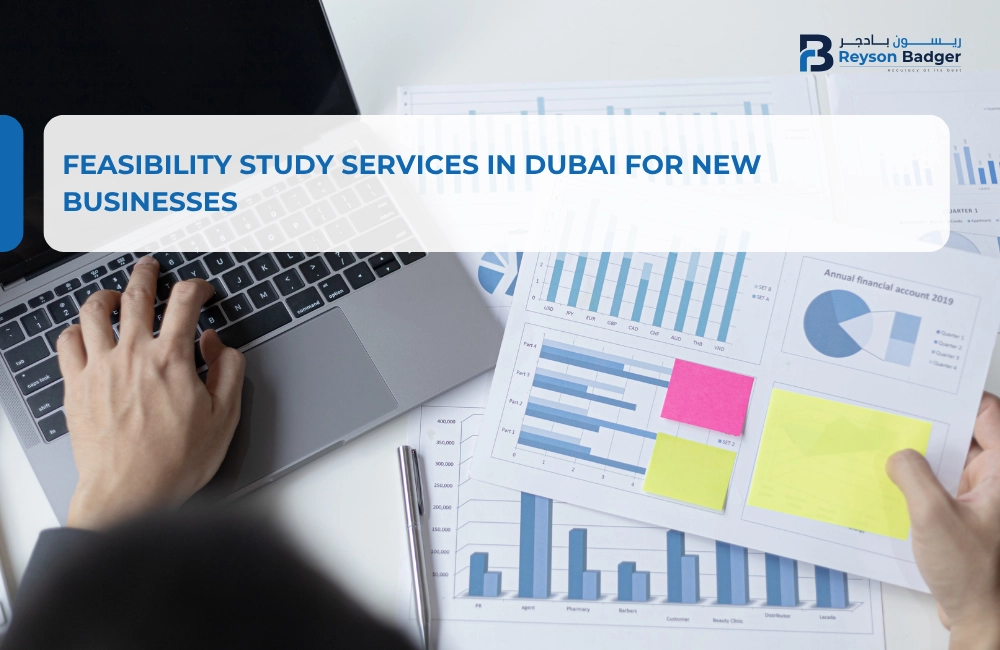


Starting a new business in Dubai requires more than a good business idea. Entrepreneurs need to understand whether there is enough market demand, who the potential customers are, how much the business will cost, what revenue it may generate, and what risks could affect its success.
This is where feasibility study services in Dubai can help. A feasibility study examines a proposed business idea from different angles before significant money and resources are invested. It can help investors understand the market, financial requirements, operational needs, competition, and regulatory considerations associated with a new business.
For new businesses, this assessment can provide a clearer basis for planning and investment decisions. Instead of relying only on assumptions, entrepreneurs can use market research, financial analysis, and risk assessment to determine whether their proposed business is practical and commercially viable.
Why Do New Businesses Need a Feasibility Study?
A feasibility study helps answer an important question: Can this business idea work in the intended market?
Starting a business without understanding the market, costs, customers, and competition can expose investors to unnecessary risks. A feasibility study provides a structured assessment before major commitments are made.
Understanding Business Viability
The study examines whether the proposed business model is practical and commercially viable. It considers factors such as the target market, expected demand, operating requirements, investment needs, and potential revenue. This gives entrepreneurs a clearer understanding of how the business could perform under realistic assumptions.
Identifying Potential Risks
Every new business faces risks. These may include strong competition, higher-than-expected costs, limited demand, regulatory requirements, supply issues, or difficulties in reaching customers. A feasibility study helps identify these risks early so that investors can consider possible ways to manage them.
Evaluating Market Opportunities
Market research helps determine whether there is a suitable customer base for the proposed product or service. It can also provide information about customer needs, competitors, market trends, pricing, and potential gaps in the market.
Estimating Financial Requirements
A new business needs sufficient capital not only for setup but also for ongoing operations. A feasibility study can estimate major startup and operating costs and develop financial projections based on the proposed business model.
Supporting Investment Decisions
Investors need reliable information before committing capital. A feasibility study brings market, operational, technical, and financial information together, helping stakeholders evaluate the opportunity more systematically.
What Does a Feasibility Study Cover?
A feasibility study usually examines several areas because a business can be attractive from one perspective but difficult from another. The exact scope depends on the industry, business model, and purpose of the study.
Market Feasibility
Market feasibility looks at whether there is sufficient demand for the proposed product or service.
It may examine the target customers, market size, customer needs, competitors, pricing, market trends, and potential demand.
For a Dubai business, the analysis can also consider the specific customer segment and location the business plans to serve. The objective is to determine whether the market provides a reasonable opportunity for the proposed business.
Financial Feasibility
Financial feasibility examines whether the business can make financial sense based on the available information and assumptions.
This may include startup costs, operating expenses, pricing, projected sales, revenue, cash flow, profitability, break-even analysis, funding requirements, and potential return on investment.
- Financial projections should be based on realistic assumptions rather than optimistic revenue expectations.
Technical Feasibility
Technical feasibility considers the resources, technology, equipment, infrastructure, and technical capabilities required to operate the business.
For example, a technology company may need specific software infrastructure and technical employees, while a manufacturing business may require machinery, production facilities, utilities, and specialised equipment.
Operational Feasibility
Operational feasibility examines how the business will function on a day-to-day basis.
This can include staffing, suppliers, facilities, processes, logistics, management requirements, and other resources needed to deliver the product or service.
Legal and Regulatory Feasibility
A business must operate within the applicable UAE legal and regulatory framework. Depending on the activity, this may involve licensing requirements, approvals, permits, ownership considerations, industry-specific regulations, and other compliance obligations.
Understanding these requirements before investing can help prevent unexpected changes to the proposed business model or operating structure.
Key Factors to Evaluate Before Starting a Business in Dubai
Before launching a new business in Dubai, accounting investors should look beyond the business idea itself.
- Business demand is one of the first considerations. A product or service may appear attractive, but actual demand depends on customer needs, purchasing behaviour, pricing, and competition.
- Target customers should also be clearly defined. Understanding who is likely to buy the product or service helps determine pricing, marketing, location, sales channels, and expected demand.
- Competition is another important factor. Businesses should understand who their competitors are, what they offer, how they position themselves, and where there may be opportunities to differentiate.
- The study should also consider startup and operating costs, including licensing, premises, employees, technology, equipment, marketing, professional services, inventory, and working capital.
- Business location can affect customer access, rental costs, logistics, staffing, and operating requirements. Depending on the business, investors may need to compare different locations and business setup options.
- Licensing requirements should be assessed based on the proposed activity and business structure. Certain industries may require additional approvals or specific conditions.
Finally, the study should consider revenue potential and business risks. Revenue projections should be supported by market assumptions, while risks should be identified before the investment decision is made.
How Feasibility Study Services in Dubai Help New Businesses
Professional feasibility study services provide a structured way to examine a proposed business before launch. The process generally begins with an assessment of the business concept. This helps clarify what the business intends to offer, who it will serve, how it plans to generate revenue, and what resources it will require.
- Market analysis can then provide a clearer picture of demand, customers, competitors, pricing, and market conditions. This information can help investors assess whether the proposed business has a realistic market opportunity.
- Financial analysis is another major part of the process. By reviewing expected costs, revenue assumptions, cash flow, funding requirements, and profitability, investors can better understand the financial requirements of the project.
- A feasibility study also brings potential risks and challenges into focus. Instead of discovering major issues after launch, investors can consider them during the planning stage.
The final study can then support business planning and investment discussions by presenting the key findings in a structured report.
Feasibility Study Services in UAE: What Businesses Should Consider
A feasibility study in the UAE should reflect the specific market and regulatory environment in which the business will operate.
Mainland and Free Zone Considerations
- Businesses may need to compare mainland and free zone options depending on their proposed activity, customers, location, ownership structure, and operating requirements.
- The choice can affect licensing, premises, market access, costs, and other aspects of the business model. A feasibility assessment can include these factors when evaluating different setup options.
Industry-Specific Requirements
- Different industries have different operating requirements. A restaurant, healthcare business, technology company, construction business, retail operation, and professional services firm may require different resources, approvals, staffing, and investment levels.
- The feasibility study should therefore be tailored to the proposed industry rather than using the same assumptions for every business.
UAE Market Conditions
- Market demand, customer preferences, pricing, economic conditions, and industry trends can influence business viability.
- Research should therefore focus on the relevant UAE market and, where necessary, the specific emirate, customer segment, or industry being targeted.
Licensing and Regulatory Factors
- Investors should understand the approvals and regulatory requirements that could affect the proposed business before finalising the business model.
- These requirements can influence the timeline, costs, location, staffing, and operational structure of the business.
Local Competition
- Competition should be evaluated based on actual businesses serving the target market. Comparing their products, services, pricing, customer segments, locations, and market positioning can help identify opportunities and challenges.
Common Mistakes Businesses Make Without a Feasibility Study
Starting a business without sufficient research can create avoidable problems.
- Lack of Market Research: Entrepreneurs often assume customer interest without verifying actual demand or market size.
- Underestimating Costs: Many startups overlook ongoing expenses such as salaries, rent, technology, marketing, inventory, maintenance, and working capital.
- Overestimating Revenue: Businesses may rely on overly optimistic sales projections without considering competition, pricing pressure, customer acquisition challenges, or the time needed to build a loyal base.
- Ignoring Competition: Failing to analyze competitors can make it difficult to establish a clear market position. Early competitor research helps refine offerings and pricing strategies.
- Choosing the Wrong Business Model: Even with market demand, a business can struggle if its pricing, distribution, or cost structure is unsustainable.
- Overlooking Regulatory Requirements: Missing approvals or compliance obligations can lead to unexpected costs or operational delays.
When Should You Conduct a Feasibility Study?
A feasibility study is most useful before an important business decision is made. It can be conducted before investing to understand the potential opportunity and financial requirements. Entrepreneurs can also use it before launching a new business to assess the proposed concept and identify potential risks.
Accounting firms existing businesses may conduct feasibility studies before expanding into a new location, emirate, or customer segment. The same approach can be useful before entering a new market or considering a new product or service. For larger projects, conducting the study early can help investors identify issues before significant capital is committed.
How to Choose Feasibility Study Services in Dubai
Choosing the right feasibility study provider is important because the quality of the final assessment depends on the quality of the research, assumptions, analysis, and reporting.
- Look for a provider with relevant industry experience and an understanding of the type of business being evaluated. Industry knowledge can help the research focus on the factors that actually influence the proposed project.
- The provider should also have strong market research and financial analysis capabilities. A feasibility study should combine market information with realistic financial assumptions rather than treating these areas separately.
- Knowledge of UAE regulations and business conditions is also important when the study is being prepared for a Dubai or UAE-based business. Regulatory requirements can directly affect costs, timelines, location, and the proposed operating model.
- Ask about the provider's research methodology and reporting process. A good report should clearly explain the assumptions used, information considered, financial projections, market findings, risks, and key conclusions.
Most importantly, the feasibility study should be tailored to the specific business idea. A generic report may provide limited value if it does not reflect the actual industry, target customers, location, investment requirements, and operating model.
Conclusion
Reyson Badger a strong business idea still needs proper evaluation before significant investment is made. Feasibility study services in Dubai help entrepreneurs and investors examine the market, financial requirements, operations, technical needs, competition, risks, and regulatory considerations surrounding a proposed business.
For new businesses, this assessment can provide a clearer picture of what it may take to launch and operate the business in the UAE. It can also help identify potential challenges while there is still time to adjust the business model or investment plan. Whether you are planning a startup, entering a new market, expanding an existing business, or launching a new product or service, a well-researched feasibility study can provide valuable information for the planning and decision-making process.
FAQs
1. Why is a feasibility study important for a new business?
A feasibility study helps assess whether a proposed business is commercially, financially, operationally, technically, and legally practical. It can also identify market opportunities, potential risks, and investment requirements before major resources are committed.
2. What does a feasibility study include?
A feasibility study can include market research, competition analysis, financial projections, operational requirements, technical considerations, investment requirements, risk assessment, and legal or regulatory considerations. The exact scope depends on the business and purpose of the study.
3. How long does a feasibility study take?
The timeline depends on the complexity of the business, industry, amount of research required, availability of information, and scope of the study. A simple business concept may require less time than a large investment project involving multiple locations, systems, or regulatory requirements.