

As SMEs in the UAE increasingly rely on digital platforms, cloud systems, and integrated software to manage operations, the role of Information Systems (IS) has become mission-critical. From accounting and payroll to customer data and supply chain management, technology now underpins almost every business function.
In this evolving digital environment, Information System auditors have emerged as an essential tool for SMEs. These audits help businesses identify system vulnerabilities, strengthen cybersecurity, ensure regulatory compliance, and support stable growth. For UAE-based SMEs, IS audits are not just about technology they are about protecting business continuity, reputation, and long-term sustainability in a highly regulated and competitive market.
What is an Information System Audit?
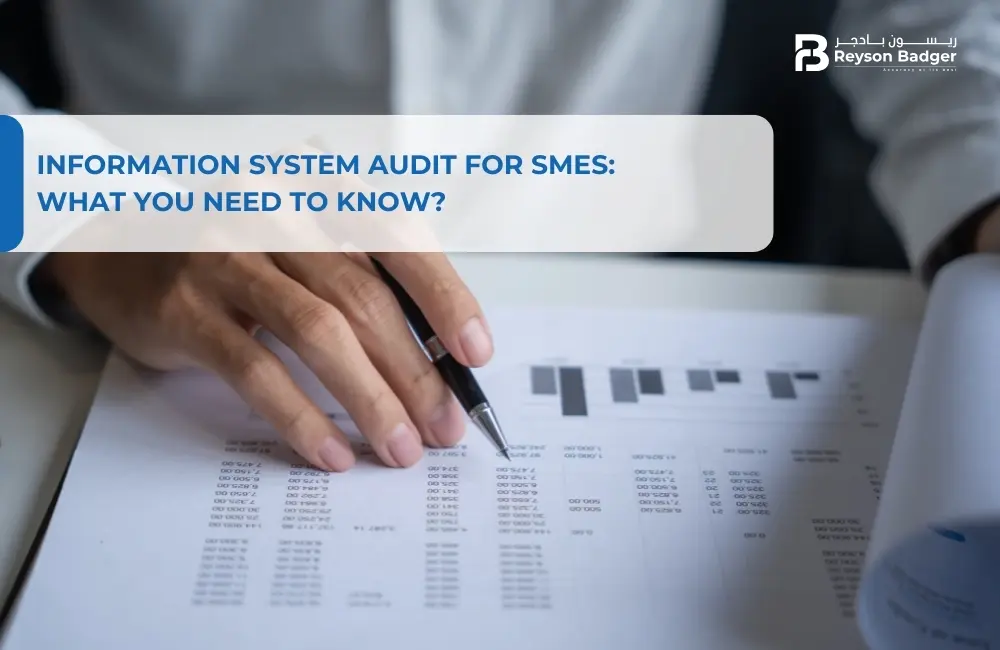
An Information System audit is a systematic evaluation of an organization’s IT infrastructure, systems, policies, and controls. The objective is to assess whether information systems adequately protect data, maintain system integrity, support business objectives, and comply with applicable laws and standards.
For SMEs, an IS audit typically examines how technology is used to process, store, and secure business information. It also evaluates whether IT controls are proportionate to the size, complexity, and risk profile of the business. Unlike financial audits, IS audits focus on technology risks, data protection, and operational reliability.
Why Information System Audit is Important for SMEs in the UAE?
SMEs in the UAE face a unique combination of rapid digital adoption and increasing regulatory oversight. An IS audit helps bridge this gap by aligning technology practices with business and legal requirements.
Key reasons IS audits are critical include:
Protection against cyber threats, which are rising across the UAE due to increased online transactions and remote work
Business continuity assurance, ensuring systems can recover quickly from disruptions or cyber incidents
Regulatory compliance, particularly with UAE frameworks such as NESA, TDRA, UAE Data Protection Law, and Dubai Electronic Security Center requirements
Operational efficiency, by identifying system inefficiencies and control gaps
Trust-building, as secure systems enhance confidence among customers, partners, and investors
For growing SMEs, an IS audit also provides clarity on whether existing systems can scale safely with business expansion.
Key Areas Covered in an Information System Audit
An IS audit for SMEs in the UAE typically covers multiple interconnected technology and control areas.
IT Infrastructure and Hardware Review: This includes an assessment of servers, workstations, network devices, and cloud infrastructure. Auditors evaluate whether hardware is secure, updated, properly configured, and suitable for business needs.
Software Systems and Applications Evaluation: Business-critical applications such as accounting software, ERP systems, CRM platforms, and cloud tools are reviewed to ensure they are licensed, secure, properly maintained, and aligned with business processes.
Data Security and Privacy Controls: Auditors assess how sensitive data is stored, processed, and protected, ensuring compliance with UAE data protection regulations. This includes encryption practices, data access controls, and data retention policies.
User Access Management and Privilege Controls: This area focuses on how user access is granted, modified, and revoked. Proper segregation of duties and restricted administrative access are essential to prevent unauthorized actions or internal misuse.
Backup and Disaster Recovery: Auditors review backup policies, recovery procedures, and testing practices to ensure business continuity. These controls are assessed against UAE business continuity and cybersecurity expectations.
Network Security and Monitoring: Firewalls, intrusion detection systems, antivirus tools, and real-time monitoring mechanisms are evaluated to determine how effectively the SME detects and responds to security incidents.
Compliance with UAE Standards and Regulations: The audit checks alignment with applicable UAE cybersecurity frameworks, industry standards, and regulatory guidelines relevant to the SME’s sector and jurisdiction.
Common Challenges SMEs Face During an IS Audit in the UAE
Many SMEs encounter obstacles when undergoing an IS audit, often due to limited resources or awareness.
Common challenges include:
Restricted IT budgets limiting investment in advanced security tools
Lack of awareness of UAE-specific cybersecurity and compliance requirements
Use of outdated systems or unauthorized software
Poor documentation of IT processes and controls
Absence of formal IT governance and security policies
These challenges increase risk exposure and often surface during the audit process.
How SMEs in the UAE can Prepare for an Information System Audit?
Preparation significantly improves audit outcomes and reduces disruption.
SMEs should focus on:
Conducting an internal pre-audit IT assessment
Updating IT and cybersecurity policies to align with UAE standards
Reviewing user access rights and administrative privileges
Strengthening network security and protecting critical business data
Implementing compliant backup and disaster recovery solutions
Training employees on cybersecurity awareness and data protection
Organizing IT documentation, system inventories, and compliance records
Proactive preparation also demonstrates management’s commitment to governance and risk management.
Benefits of Conducting Regular IS Audits for UAE SMEs
Regular IS audits deliver long-term strategic and operational benefits.
These include:
Stronger protection against cyber threats and data breaches
Reliable and secure data to support business decisions
Improved system performance and reduced operational downtime
Enhanced regulatory compliance across UAE authorities
Cost savings through early risk identification and prevention of penalties
For SMEs planning growth, regular audits provide confidence that systems can scale securely.
Choosing the Right Information System Auditor in the UAE
Selecting the right auditor is critical for meaningful audit outcomes.
SMEs should look for auditors with:
Proven experience working with SMEs in the UAE
In-depth knowledge of UAE cybersecurity laws and compliance frameworks
Strong technical expertise in IT controls and risk assessment
A transparent audit methodology and practical reporting approach
An experienced auditor not only identifies risks but also provides actionable recommendations.
Conclusion
Information System (IS) audits are essential for SMEs operating in the UAE’s digital economy. At Reyson Badger, we provide expert IS audit services that safeguard data, ensure regulatory compliance, enhance operational resilience, and build stakeholder trust. By partnering with us, SMEs can strengthen their technology foundation, mitigate risks, and achieve secure, sustainable growth in a rapidly evolving digital landscape.
FAQs
How long does an Information System audit take for an SME?
The timeline depends on the size of the business and complexity of its IT systems, but most SME-level IS audits are completed within 1–3 weeks, including assessment, testing, and reporting.
Is an Information System audit mandatory for SMEs in the UAE?
While not universally mandatory for all businesses, IS audits are strongly recommended and may be required depending on your sector, especially for companies handling sensitive customer data or operating under regulated industries like finance and healthcare.
How is an IS audit different from a cybersecurity assessment?
An IS audit takes a broader view, covering IT governance, controls, compliance, and operational reliability, not just security threats. A cybersecurity assessment typically focuses specifically on vulnerabilities and threat exposure, while an IS audit evaluates the full IT control environment.
What happens if my SME fails an Information System audit?
A failed or weak audit result typically leads to a report highlighting control gaps and recommended corrective actions. Businesses are usually given time to remediate identified issues rather than facing immediate penalties, though unresolved gaps can increase regulatory and security risk over time.
Can Reyson Badger help SMEs prepare for an IS audit, not just conduct one?
Yes. Reyson Badger supports SMEs both before and during the audit process, helping review existing IT policies, identify gaps proactively, and implement corrective measures so the business is fully prepared when the formal audit takes place.