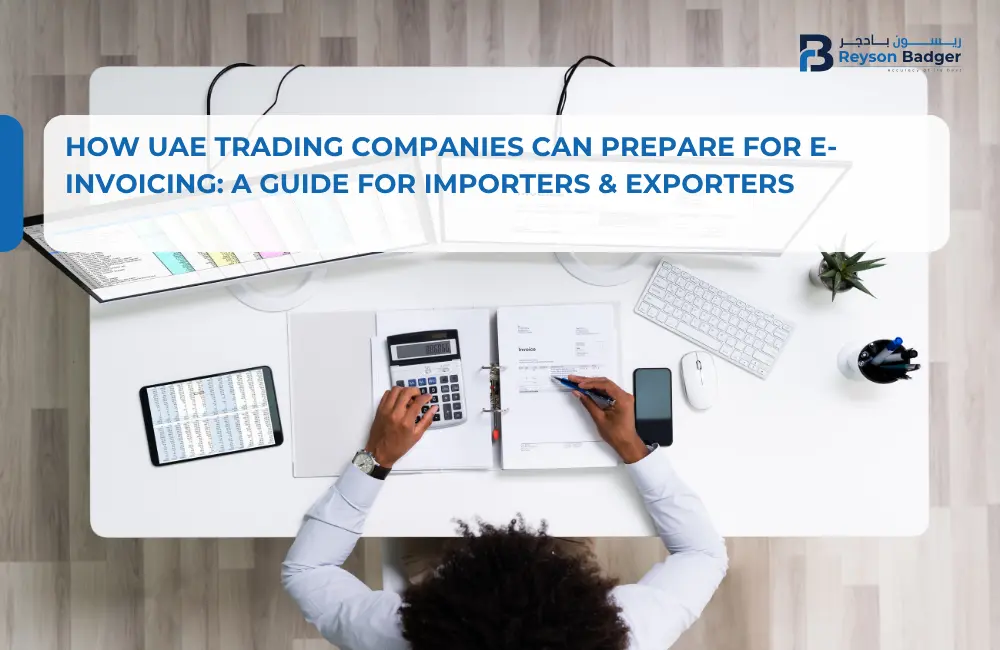


The UAE is moving toward a structured e-invoicing system that will change how businesses create, exchange, and report invoices. As implementation deadlines approach, businesses need to look beyond simply purchasing invoicing software. Their accounting systems, data, processes, employees, and service providers all need to be ready.
Many businesses may delay preparation because they assume e-invoicing is only a technology upgrade. In reality, poor preparation can result in integration problems, incorrect invoice data, operational disruption, and compliance risks.
Starting early gives businesses time to identify weaknesses, test their systems, train employees, and resolve issues before mandatory implementation. Professional E-Invoicing Services in UAE can make this transition more organised and help businesses prepare for the requirements ahead.
Understanding E-Invoicing in the UAE
E-invoicing is the electronic exchange of structured invoice data between a supplier and buyer through the UAE's approved e-invoicing framework. Unlike a simple PDF invoice sent by email, a compliant e-invoice uses structured data that can be processed electronically by systems.
The UAE is introducing e-invoicing as part of its wider digital tax and business transformation programme. The framework is intended to improve transaction visibility, support VAT compliance, reduce manual processes, and make financial reporting more efficient.
For businesses, the change can also bring practical benefits. Automated invoice processing can reduce data-entry errors, improve reconciliation, speed up accounts receivable processes, and provide better visibility over transactions.
However, these benefits depend on proper implementation.
Who Needs to Prepare for UAE E-Invoicing?
Preparation should not be limited to large corporations. Businesses across different sectors and structures need to understand how the UAE e-invoicing framework applies to them.
This includes:
- Small and medium-sized businesses
- Large enterprises
- Mainland companies
- Free Zone businesses
- Businesses involved in B2B transactions
- Businesses involved in B2G transactions
- VAT-registered businesses and other businesses that fall within the applicable e-invoicing requirements
The exact implementation obligations and timelines depend on the applicable rules and business circumstances. Therefore, businesses should assess their position rather than assume that their size, Free Zone status, or VAT registration automatically excludes them.
Common UAE E-Invoicing Mistakes Businesses Should Avoid
Waiting Until the Last Minute
- One of the biggest mistakes is treating the mandatory deadline as the date when preparation should begin.
- E-invoicing implementation can involve several stages, including selecting an appropriate solution, reviewing existing systems, cleaning data, configuring integrations, testing invoices, training staff, and establishing internal procedures.
- A business that starts only shortly before its deadline may have limited time to resolve unexpected technical problems.
Early preparation gives finance and IT teams enough time to identify gaps and implement changes without disrupting normal operations.
Choosing Non-Compliant E-Invoicing Software
- Not every digital invoicing solution is automatically suitable for UAE e-invoicing.
- A system may be excellent for creating PDF invoices but still lack the structured data capabilities, integration functionality, or technical compatibility required under the UAE framework.
- Before choosing software, businesses should assess whether it can support the applicable UAE requirements and integrate effectively with their existing accounting or ERP environment.
- The cheapest software is not necessarily the most cost-effective option if it requires major modifications later.
Ignoring FTA Compliance Requirements
- Another common mistake is focusing entirely on technology while overlooking the regulatory side.
- E-invoicing involves more than generating electronic documents. Businesses need to understand applicable invoice data requirements, transmission processes, record-keeping expectations, and other compliance responsibilities.
- A technically functional system can still create compliance problems if the business has incorrect tax information or poorly designed internal processes.
- This is why implementation should combine technology and compliance planning.
Poor Data Quality and Inaccurate Invoices
- Good e-invoicing starts with accurate business data.
- Incorrect Tax Registration Numbers, incomplete customer details, inconsistent supplier information, incorrect VAT treatment, and duplicate records can create problems during implementation.
- For example, if a company's customer database contains different legal names or tax details across multiple systems, invoice processing and validation may become more difficult.
- Businesses should therefore clean and standardise their master data before going live.
Not Integrating Accounting and ERP Systems
- Some businesses may attempt to introduce a separate e-invoicing platform without considering how it will interact with their existing accounting or ERP system.
- This can create unnecessary manual work.
- Ideally, invoice information should move efficiently between the relevant business systems and the e-invoicing solution. Integration can reduce duplicate data entry and improve consistency.
- Before implementation, businesses should identify all systems involved in invoicing, including ERP platforms, accounting software, billing applications, sales systems, and other relevant tools.
Failing to Train Employees
- Technology cannot solve every implementation problem.
- Employees still need to understand how the new process works. Finance teams need to know how invoices and credit notes are handled, while sales and operational teams may need to understand changes to customer and transaction information.
- Without adequate training, employees may continue using outdated processes or enter incorrect information.
- Training should therefore take place before implementation rather than after problems begin appearing.
Overlooking Invoice Security and Data Protection
- E-invoicing involves the electronic exchange and storage of financial and business information. Businesses should therefore consider security as part of implementation.
- Access controls, user permissions, secure system connections, backup procedures, and appropriate data protection practices should be reviewed.
- Companies should also ensure that employees understand who can access sensitive financial information and how such information should be handled.
Choosing the Wrong E-Invoicing Service Provider
- The service provider supporting implementation can have a major impact on the success of the project.
- Businesses should not select an E-Invoicing Service Providers UAE option based only on price.
- Instead, they should consider whether the provider understands the UAE framework, can integrate with the company's systems, offers appropriate technical support, and can help the business manage changes after implementation.
- The right provider should be able to support the business from preparation through implementation and ongoing compliance.
Ignoring Regular System Updates
- E-invoicing is not necessarily a one-time implementation project.
- Technical specifications, regulatory guidance, system requirements, and business needs can change over time.
- Businesses that install a system and never review it may eventually find themselves working with outdated configurations.
- Regular software updates, compliance reviews, and system checks should therefore become part of the business's ongoing process.
Not Testing the E-Invoicing Process Before Implementation
- Going live without sufficient testing is another avoidable mistake.
- Businesses should test the complete invoice journey before mandatory implementation. This includes invoice creation, data validation, transmission, error handling, credit notes, reconciliation, and record retention.
- Testing should involve realistic business transactions rather than only simple sample invoices.
- The objective is to discover problems while there is still time to correct them.
How Professional E-Invoicing Services in UAE Can Help
Implementing e-invoicing internally may be possible for some businesses, but professional support can make the process more structured.
Professional E-invoicing Services can assist with:
- Compliance assessment: Reviewing the company's current invoicing processes against applicable requirements.
- System implementation: Helping configure the appropriate e-invoicing solution.
- Software integration: Connecting accounting, ERP, and billing systems where required.
- Data preparation: Reviewing customer, supplier, tax, and invoice information.
- Employee training: Helping staff understand the new invoicing workflow.
- Ongoing support: Monitoring implementation issues and supporting future compliance updates.
This approach allows businesses to address both the technical and operational sides of e-invoicing.
Benefits of Choosing Professional E-Invoicing Services in Dubai
Professional assistance can provide several practical advantages for businesses preparing for the UAE mandate.
- Faster Implementation: A structured implementation plan can reduce unnecessary delays and help teams focus on the most important requirements first.
- Reduced Compliance Risks: Specialist guidance can help businesses identify missing information, incorrect processes, and other potential compliance issues before implementation.
- Improved Accuracy: Automated data exchange and properly configured systems can reduce manual entry and minimise invoice errors.
- Better Financial Reporting: When invoicing data flows correctly into accounting systems, businesses can improve reconciliation and financial reporting.
- Future-Ready Business Operations: E-invoicing can become more than a regulatory requirement. Once properly implemented, it can support more efficient financial processes and reduce administrative work.
How Reyson Badger Supports Businesses with E-Invoicing Services in UAE
Reyson Badger helps UAE businesses prepare for e-invoicing through a practical, end-to-end approach.
- Consultation and Readiness Assessment: The process can begin with an assessment of the company's current invoicing environment, systems, data, and compliance requirements.
- Implementation Support: Businesses can receive assistance with selecting and implementing an appropriate e-invoicing solution based on their operational requirements.
- Compliance Guidance: Reyson Badger can help businesses understand their applicable e-invoicing responsibilities and prepare the required processes.
- System Integration: Where necessary, accounting and ERP systems can be reviewed and integrated with the e-invoicing environment.
- Ongoing Support: E-invoicing does not end when the system goes live. Continued support can help businesses address technical issues, monitor compliance, and adapt to future requirements.
Best Practices for Successful E-Invoicing Implementation
Businesses can reduce implementation risks by following a few practical principles.
- Choose Appropriate Software: Evaluate whether the solution supports the applicable UAE technical and regulatory requirements before making a purchase.
- Prepare Accounting Data: Clean customer, supplier, tax, and invoice data before integration and testing.
- Train Employees: Make sure employees understand the new workflow and their responsibilities.
- Monitor Regulatory Updates: Keep track of updates to e-invoicing requirements, technical specifications, deadlines, and implementation guidance.
- Conduct Regular Reviews: After implementation, periodically review invoice accuracy, system performance, integrations, and compliance processes.
Why Businesses Should Prepare Before 2027?
The closer businesses get to mandatory implementation, the more companies will be competing for software configuration, integration, technical support, and implementation resources.
Waiting can therefore create unnecessary pressure.
Early preparation allows businesses to:
- Identify technology gaps
- Clean their financial data
- Select suitable service providers
- Test systems
- Train employees
- Fix integration issues
- Build reliable internal processes
The goal should not simply be to meet a deadline. Businesses should aim to enter mandatory e-invoicing with a system that works reliably as part of their everyday operations.
Conclusion
UAE e-invoicing is a significant change to how businesses manage invoices and financial transactions. The biggest risks often come from avoidable mistakes such as delaying preparation, choosing unsuitable software, ignoring data quality, failing to integrate systems, or neglecting employee training.
Businesses should therefore start preparing well before their applicable implementation deadline. A proper assessment, suitable technology, accurate data, trained employees, and professional guidance can make the transition much smoother.
If your business needs support preparing for e-invoicing in Dubai or across the UAE, Reyson Badger can help you assess your current setup, address implementation gaps, and build a practical path toward compliant e-invoicing.
FAQs
1. What is e-invoicing in the UAE?
E-invoicing is the electronic exchange of structured invoice information through the UAE's e-invoicing framework. It is different from simply sending a PDF invoice by email because the invoice data must be structured for electronic processing.
2. When will e-invoicing become mandatory in the UAE?
The UAE is implementing e-invoicing in phases. The applicable mandatory implementation date depends on the business category and the relevant implementation requirements. Businesses should confirm their specific timeline rather than relying on a general deadline.
3. Who needs e-invoicing services in the UAE?
Businesses that need to prepare for the UAE e-invoicing framework can benefit from professional services, including SMEs, large companies, mainland businesses, Free Zone companies, and businesses involved in applicable B2B and B2G transactions.