
Saudi Arabia
Saudi Arabia
Saudi Arabia, formally recognized as the Kingdom of Saudi Arabia, is a Middle Eastern nation encompassing a significant portion of the Arabian Peninsula. It is bounded to the north by Jordan and Iraq, to the northeast by Kuwait, to the east by Qatar, Bahrain, and the United Arab Emirates, to the southeast by Oman, and to the south by Yemen. Eastern borders are the Arabian Gulf (Persian Gulf), while western borders are the Red Sea.
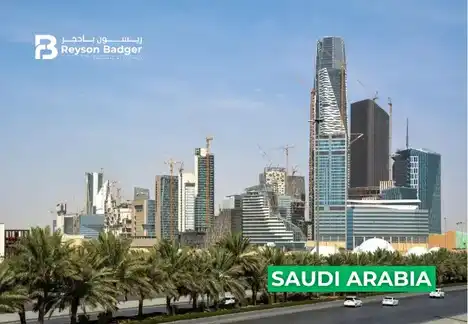
Saudi Arabia's economy is predominantly energy-driven, owing to its possession of some of the most substantial oil reserves globally. Rapid development and modernization have been fuelled by oil exports, which have transformed the nation into a regional economic powerhouse. Recent years have seen the implementation of economic diversification initiatives by the government, which aim to promote sectors such as renewable energy, technology, and tourism in order to reduce reliance on oil revenues.
The nation's varied topography encompasses expansive desert regions, including the Rub' al Khali (Empty Quarter), as well as coastal plains and mountain ranges. Mecca, Riyadh, the capital, and Jeddah are all significant cities. Saudi Arabia is renowned for its noteworthy historical and cultural monuments, which draw millions of tourists each year, with religious tourism during the Hajj pilgrimage being particularly significant.
- Vision 2030, an ambitious initiative introduced in 2016 by Crown Prince Mohammed bin Salman, seeks to reduce Saudi Arabia's reliance on oil for economic growth, foster social transformation, and establish the kingdom as a center for international investments. Numerous economic and social reforms have resulted from the initiative, including private sector expansion, investments in non-oil industries, and initiatives to empower women in the workforce.
- Saudi Arabia has made substantial investments in the development of its tourism industry with the objective of attracting millions of visitors per year by 2030. By granting tourist visas and developing tourist destinations such as Al Ula, which is home to the ancient Nabatean city of Madain Saleh, and the futuristic city of NEOM along the Red Sea coast, the country has become more receptive to international visitors.
- The entertainment industry in the kingdom has undergone a substantial transformation due to the introduction of cinemas, concerts, and cultural events. International artists and performers have been invited to the country through initiatives such as the Riyadh Season and Diriyah Season, thereby contributing to the expansion of the entertainment industry.
- Social Reforms: Saudi Arabia has implemented a number of social reforms in recent years in an effort to modernize the country's society and enhance the living conditions of its citizens. Promoting a more open and tolerant social environment, easing restrictions on gender segregation, and lifting the prohibition on women driving are some of these reforms.
Latest Blogs
How UAE Accounting Services Help Businesses Stay 100% FTA Compliant
Discover how expert accounting services in UAE reduce filing errors, prevent FTA penalties, and keep your business audit-ready and compliant.
READ MORE →
Do UAE E-Invoicing Need QR Codes? Explained Simply
The right E-invoicing Services in UAE, businesses can ensure smooth compliance, improve efficiency, and stay ready for the future of digital taxation in the UAE.
READ MORE →
The Importance of Audit Services in UAE for Manufacturing Businesses
READ MORE →
How to Close a Business in Dubai: Complete Guide to Company Liquidation
Learn how to close a business in Dubai with this complete guide to company liquidation. Understand the legal requirements, liquidation process, document preparation, license cancellation procedures, and compliance obligations to ensure a smooth and hassle-free business closure in the UAE.
READ MORE →
Anti-Money Laundering Regulations in UAE: How AML Compliance Services Keep You Protected
AML Compliance Services in the UAE help businesses meet anti-money laundering rules, reduce financial crime risk, and avoid regulatory penalties.
READ MORE →
In-House Accountant vs Outsourced Accounting in Dubai: Real Cost Comparison for 2026
Our outsourced accounting services Dubai are structured around each client's business size, transaction volume, and compliance requirements, not a generic package.
READ MORE →
Mandatory vs Voluntary VAT Registration in the UAE: Which One is Right for Your Business?
Understand mandatory vs voluntary VAT registration in the UAE, including turnover thresholds, compliance requirements, benefits, and how to choose the right VAT registration option for your business.
READ MORE →
Difference Between Regular and Golden Visa in UAE
Learn the differences between Regular and Golden Visas in the UAE, including eligibility, duration, and benefits.
READ MORE →
Corporate Tax Year-End Accounting Checklist for Dubai Businesses: What to Prepare Before the Deadline
Professional support through accounting services in Dubai and corporate tax services in UAE makes the difference between a smooth, compliant year-end and a stressful.
READ MORE →
Understanding Your Rights: Legal Services for Individuals in UAE
A guide to legal services for individuals in the UAE and the importance of understanding your legal right.
READ MORE →