
Abu Dhabi
Abu Dhabi
Abu Dhabi, the capital of the United Arab Emirates (UAE), is a prominent city located on the southeastern coast of the Arabian Peninsula, along the Persian Gulf. It is the largest emirate in the UAE by area and serves as a major political, economic, and cultural hub of the country.
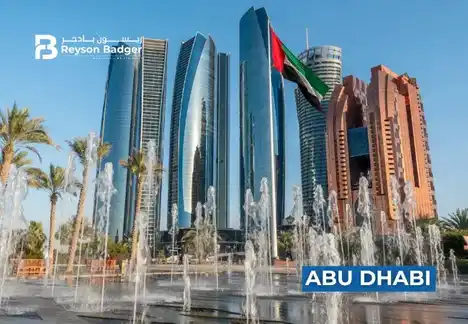
Economy
Abu Dhabi’s economy is heavily reliant on its substantial oil reserves, which have historically driven its development and prosperity. The emirate has utilized its oil wealth to build a modern and diversified economy, with significant investments in sectors such as real estate, finance, and tourism. In recent years, Abu Dhabi has been actively pursuing economic diversification through initiatives such as the Abu Dhabi Economic Vision 2030, which aims to reduce reliance on oil and promote sustainable growth in areas like renewable energy, technology, and cultural tourism.
Finance
The finance sector in Abu Dhabi plays a critical role in the emirate’s economic diversification strategy. The city has established itself as a leading financial center in the region, attracting global banks, investment firms, and financial institutions. The Abu Dhabi Global Market (ADGM), an international financial free zone, serves as a key financial hub, offering a strong regulatory environment and world-class infrastructure. ADGM has positioned Abu Dhabi as a gateway for financial services, facilitating investments and financial transactions across the Middle East, Africa, and South Asia. Additionally, the emirate is focusing on technology-enabled innovation in financial services, Islamic finance, and sustainable finance as part of its broader financial strategy, aligning with global trends and further establishing itself in the worldwide financial ecosystem.
Geography
Abu Dhabi features a mix of urban development and natural landscapes, including vast desert expanses, coastal areas, and offshore islands. Notable geographic features include Saadiyat Island, which is home to several cultural institutions like the Louvre Abu Dhabi, and Yas Island, known for its entertainment and leisure attractions .
Tourism and Culture
Abu Dhabi is renowned for its luxurious lifestyle and cultural landmarks. Key attractions include the Sheikh Zayed Grand Mosque, one of the largest mosques in the world, and cultural institutions like the Louvre Abu Dhabi and the upcoming Guggenheim Abu Dhabi. The city is also known for its annual events such as the Abu Dhabi Film Festival and Formula 1 Grand Prix, which draw international visitors.
Social and Cultural Developments
In line with its economic diversification goals, Abu Dhabi has made significant steps in social and cultural development. The emirate is investing in cultural and artistic initiatives to position itself as a global cultural destination. Additionally, there have been efforts to improve the quality of life for residents through improved infrastructure, public services, and social amenities.
Abu Dhabi’s strategic initiatives and investments reflect its ambition to balance modern development with cultural preservation, making it a crucial point for both economic and cultural activities in the UAE.
Latest Blogs
How UAE Accounting Services Help Businesses Stay 100% FTA Compliant
Discover how expert accounting services in UAE reduce filing errors, prevent FTA penalties, and keep your business audit-ready and compliant.
READ MORE →
Do UAE E-Invoicing Need QR Codes? Explained Simply
The right E-invoicing Services in UAE, businesses can ensure smooth compliance, improve efficiency, and stay ready for the future of digital taxation in the UAE.
READ MORE →
The Importance of Audit Services in UAE for Manufacturing Businesses
READ MORE →
How to Close a Business in Dubai: Complete Guide to Company Liquidation
Learn how to close a business in Dubai with this complete guide to company liquidation. Understand the legal requirements, liquidation process, document preparation, license cancellation procedures, and compliance obligations to ensure a smooth and hassle-free business closure in the UAE.
READ MORE →
Anti-Money Laundering Regulations in UAE: How AML Compliance Services Keep You Protected
AML Compliance Services in the UAE help businesses meet anti-money laundering rules, reduce financial crime risk, and avoid regulatory penalties.
READ MORE →
In-House Accountant vs Outsourced Accounting in Dubai: Real Cost Comparison for 2026
Our outsourced accounting services Dubai are structured around each client's business size, transaction volume, and compliance requirements, not a generic package.
READ MORE →
Mandatory vs Voluntary VAT Registration in the UAE: Which One is Right for Your Business?
Understand mandatory vs voluntary VAT registration in the UAE, including turnover thresholds, compliance requirements, benefits, and how to choose the right VAT registration option for your business.
READ MORE →
Difference Between Regular and Golden Visa in UAE
Learn the differences between Regular and Golden Visas in the UAE, including eligibility, duration, and benefits.
READ MORE →
Corporate Tax Year-End Accounting Checklist for Dubai Businesses: What to Prepare Before the Deadline
Professional support through accounting services in Dubai and corporate tax services in UAE makes the difference between a smooth, compliant year-end and a stressful.
READ MORE →
Understanding Your Rights: Legal Services for Individuals in UAE
A guide to legal services for individuals in the UAE and the importance of understanding your legal right.
READ MORE →