
Modern Accounting Services in Saudi Arabia: Key Solutions for Business Growth
26-Jan-2026
AML Software Services
Simplify compliance with AML software
designed for Saudi regulations, helping
you monitor risks and stay audit ready.
Anti-Money Laundering (AML) Software
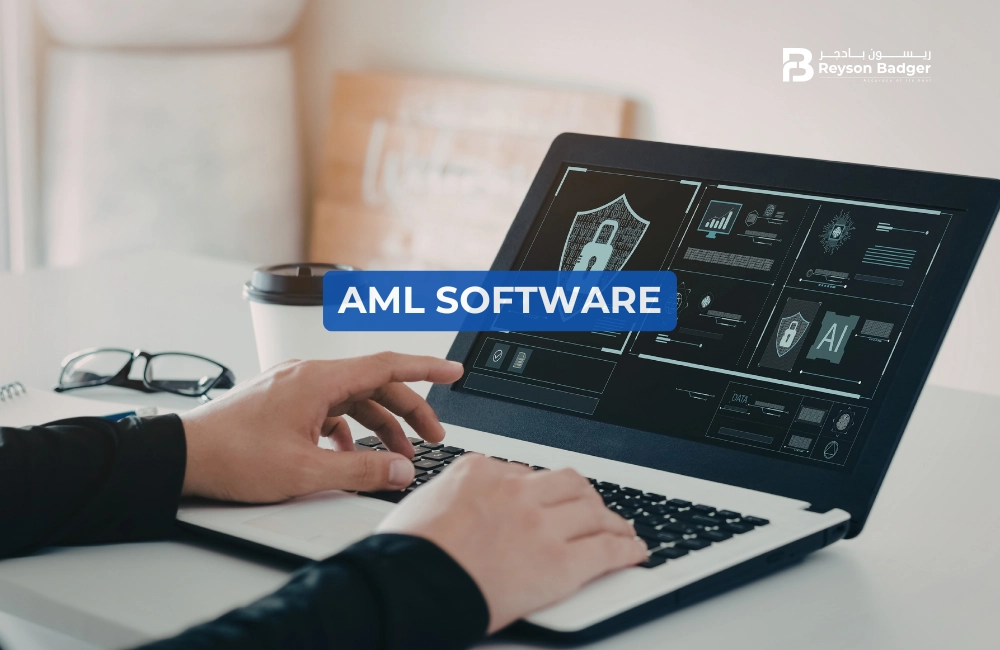
Anti-Money Laundering (AML) software in Saudi Arabia is designed to help accounting firms, financial institutions and other regulated entities detect and prevent money laundering activities in compliance with both local and international regulations. The software provides functionalities such as customer due diligence (CDD), know your customer (KYC), transaction monitoring, and suspicious activity reporting (SAR).
AML software helps institutions automate the identification of suspicious transactions, streamline compliance processes, and reduce the risk of financial crimes. This aligns with the Kingdom's strong AML and Counter Terrorism Financing (CTF) regulations, which are rooted in Islamic Sharia'a teachings and domestic and international standards.
By implementing AML software, businesses can meet regulatory demands more efficiently, reduce setup times, and ensure ongoing compliance with AML laws in Saudi Arabia
Essential Features Of AML Software
The following are the essential features that contribute to the effectiveness of AML software:
- Transaction Monitoring: Tracking and analyzing financial transactions to identify patterns or behaviors indicative of money laundering or other illegal activities.
- Customer Due Diligence (CDD) and Know Your Customer (KYC): Verifying the identities of customers, assessing their risk profiles, and conducting ongoing monitoring to ensure compliance with regulatory standards.
- Watchlist Screening: Checking customer information against lists of known or suspected terrorists, criminals, or other sanctioned entities to prevent financial transactions with these individuals or entities.
- Suspicious Activity Reporting (SAR): Generating and submitting reports to regulatory authorities when potentially suspicious activities are detected.
- Risk Assessment: Assessing the level of risk associated with a specific customer, transaction, or business relationship based on factors such as geographic location, transaction volume, and historical behavior.
- Regulatory Compliance: Providing tools and capabilities to ensure compliance to relevant AML laws, regulations, and guidelines, which may vary depending on the jurisdiction and industry.
How To Choose The Best AML Software Solution
Selecting the best AML (Anti-Money Laundering) software solution involves evaluating several key criteria to ensure it meets your organization's needs effectively. The following guide will assist you in making an informed decision:
- Assess Organizational Needs: Begin by understanding your specific requirements, including the types of risks you face, your customer profiles, and operational regions. This helps in identifying a solution customized to your needs.
- Reliability and Support: Choose a software provider known for reliability and strong customer support. Research reviews, seek feedback from other users, and ensure the vendor can adapt to changing regulations and offer timely assistance.
- Cost vs. Return on Investment: While cost is important, focus on the value the software services offers. Consider how the software can simplify compliance processes and reduce long term costs, ultimately providing a good return on investment.
- Request Demos and Trials: Take advantage of demos or free trials to see the software in action. This will help you assess its functionality, user friendliness, and whether it aligns with your operational needs.
- Gather Feedback and Reviews: Collect opinions from other users and peers who have experience with the software. Online reviews and personal testimonials can provide valuable insights into the software’s performance and reliability.
By considering these factors, you can select an AML software solution that improves your compliance efforts and risk management while aligning with your organization's specific needs.
Benefits Of Selecting, Installing, And Maintaining AML Software
Selecting, installing, and maintaining AML (Anti-Money Laundering) software offers several key benefits:
- Improved Compliance: Ensures compliance to regulatory requirements and helps prevent legal penalties by automating compliance processes.
- Improved Risk Management: Provides real time monitoring and analysis of transactions to identify and reduce risks associated with money laundering.
- Operational Efficiency: Simplifies workflows and reduces manual effort through automation, leading to time and cost savings.
Overall, effective AML software selection, installation, and maintenance support strong financial security and regulatory adherence.
5 Best AML Software Solutions in 2024
AML software solutions are essential for financial institutions to meet regulatory standards and manage financial risks. Here are the top 5 AML software solutions for 2024:
1. FOCAL
- Identity verification, customer due diligence, AI-powered AML compliance, fraud prevention, and financial insights.
- FOCAL by Mozn offers a complete suite for risk management, Managing real time updates from numerous watchlists to ensure effective AML compliance.
2. Sanction Scanner
- Customer & transaction screening, adverse media screening, PEP data, AI enhanced real time data.
- Specializes in advanced AML screening and monitoring tools, focusing on detecting suspicious activities and managing compliance risks.
3. SEON
- Complete AML screening, transaction monitoring, integrated platform, customizable rules, transparent AI driven insights.
- SEON combines AML data with digital profiling and device fingerprinting to improve customer identity validation and fraud prevention.
4. SumSub
- Identity verification, AML & KYC compliance, KYB services, AML transaction monitoring.
- Provides multi layered protection against fraud and document forgery, ensuring quick and global user verification with round the clock compliance.
5. ComplyAdvantage
- Real-time global database, transaction monitoring, configurable data feed, integrations.
- Utilizes machine learning and AI to offer comprehensive risk management, including sanctions lists and PEP screening, with customizable data to reduce false positives.
AML Software Services in KSA
Reyson Badgers' AML Software Services in Saudi Arabia offer an effective approach to preventing financial crime and ensuring regulatory compliance. By managing advanced technologies and customized solutions, Reyson Badger provides complete tools for real time transaction monitoring, customer due diligence, and fraud prevention. Our services are designed to meet the strict regulatory requirements of the KSA market, offering strong protection against money laundering and financial irresponsibility. With a focus on adaptability and efficiency, Reyson Badgers is positioned as a key player in improving financial security and supporting organizations in managing the complexities of AML compliance in the region.
Saudi Arabia
Saudi Arabia
- Tax Services in Saudi Arabia (KSA)
- VAT Return Filing Service in Saudi Arabia
- VAT Submission in Saudi Arabia
- Economic Substance Regulations Service in Saudi Arabia
- VAT Registration in Saudi Arabia
- AML Services in KSA
- VAT Refund in Saudi Arabia (KSA)
- Accounting Services in Saudi Arabia
- Bookkeeping Services in Saudi Arabia
- Business Valuation Services in Saudi Arabia
- Withholding Tax in Saudi Arabia
- Zakat in Saudi Arabia
- Backlog Accounting Services in Saudi Arabia
- Non Resident VAT Registration in KSA
- Accounts Reconciliation Services in Saudi Arabia
- VAT Consultancy in Saudi Arabia
- Due Diligence Services in Saudi Arabia
- Feasibility Study in Saudi Arabia
- Market Research services in Saudi Arabia
- Mergers and Acquisitions in Saudi Arabia
- Tax Compliance Service in Saudi Arabia
- Tax Advisory Services in Saudi Arabia
- Tax Advisory Services in Riyadh
- Tax Advisory Service in Dammam
- Accounting Services in Riyadh
- Accounting services in Jeddah
- Tax Advisory Services in Jeddah
- Accounting Services in Dammam
- Liquidation Services in Saudi Arabia
- Audit Services in Saudi Arabia
- Audit Services in Dammam
- Audit Service in Riyadh
- Internal Audit Services in Saudi Arabia
- External Audit Services in Saudi Arabia
- Audit Services in Jeddah
- Feasibility Study Services in Jeddah
- Mergers & Acquisitions in Jeddah
- Business Valuation Services in Jeddah
Abu Dhabi
- Audit Services in Abu Dhabi
- Corporate Tax Services in Abu Dhabi
- Corporate Tax Registration in Abu Dhabi
- Corporate Tax Return in Abu Dhabi
- Corporate Tax Accounting in Abu Dhabi
- Corporate Tax Audit In Abu Dhabi
- Accounting Services in Abu Dhabi
- Backlog Accounting Services in Abu Dhabi
- VAT Services in Abu Dhabi
- Accounts Reconciliation Services in Abu Dhabi
- VAT Refund Services in Abu Dhabi
- Bookkeeping Services in Abu Dhabi
- Anti Money Laundering Services in Abu Dhabi
- VAT Registration Services in Abu Dhabi
- Business Valuation Services in Abu Dhabi
- Due Diligence Service in Abu Dhabi
- VAT Return Filing Services in Abu Dhabi
- Mergers and Acquisitions Services in Abu Dhabi
- Market Research Services in Abu Dhabi
- Feasibility Study Services in Abu Dhabi
- Liquidation Services in Abu Dhabi
- Internal Audit Services in Abu Dhabi
- External Audit Services in Abu Dhabi
Sharjah
- Corporate Tax Services in Sharjah
- Corporate Tax Registration in Sharjah
- Corporate Tax Return in Sharjah
- Corporate Tax in Sharjah Free Zone
- Corporate Tax Audit in Sharjah
- VAT Services in Sharjah
- VAT Return Filing Services in Sharjah
- VAT Registration Services in Sharjah
- Accounting Services in Sharjah
- Accounts Reconciliation Services in Sharjah
- Anti-Money Laundering in Sharjah
- Business Valuation Services in Sharjah
- Market Research Services in Sharjah
- Bookkeeping Services in Sharjah
- Backlog Accounting Sharjah
- Due Diligence Services in Sharjah
- Feasibility Study Services in Sharjah
- Mergers and Acquisitions Services in Sharjah
- Audit Services in Sharjah
- Internal Audit services in Sharjah
- External Audit Services in Sharjah


Request a Quote
We’ll get back to you shortlyFAQs
It automates monitoring, detects suspicious activities, and helps you meet local regulatory requirements efficiently.
Yes, scalable solutions are available that fit different business sizes while improving compliance processes.
Most AML solutions can integrate with ERP, banking, and customer systems to streamline compliance workflows.
Latest Blogs
12
Jun
How UAE Accounting Services Help Businesses Stay 100% FTA Compliant
Discover how expert accounting services in UAE reduce filing errors, prevent FTA penalties, and keep your business audit-ready and compliant.
READ MORE →
11
Jun
Do UAE E-Invoicing Need QR Codes? Explained Simply
The right E-invoicing Services in UAE, businesses can ensure smooth compliance, improve efficiency, and stay ready for the future of digital taxation in the UAE.
READ MORE →
10
Jun
The Importance of Audit Services in UAE for Manufacturing Businesses
READ MORE →
10
Jun
How to Close a Business in Dubai: Complete Guide to Company Liquidation
Learn how to close a business in Dubai with this complete guide to company liquidation. Understand the legal requirements, liquidation process, document preparation, license cancellation procedures, and compliance obligations to ensure a smooth and hassle-free business closure in the UAE.
READ MORE →
16
Jun
Anti-Money Laundering Regulations in UAE: How AML Compliance Services Keep You Protected
AML Compliance Services in the UAE help businesses meet anti-money laundering rules, reduce financial crime risk, and avoid regulatory penalties.
READ MORE →
04
Jun
In-House Accountant vs Outsourced Accounting in Dubai: Real Cost Comparison for 2026
Our outsourced accounting services Dubai are structured around each client's business size, transaction volume, and compliance requirements, not a generic package.
READ MORE →
29
May
Mandatory vs Voluntary VAT Registration in the UAE: Which One is Right for Your Business?
Understand mandatory vs voluntary VAT registration in the UAE, including turnover thresholds, compliance requirements, benefits, and how to choose the right VAT registration option for your business.
READ MORE →
29
May
Difference Between Regular and Golden Visa in UAE
Learn the differences between Regular and Golden Visas in the UAE, including eligibility, duration, and benefits.
READ MORE →
26
May
Corporate Tax Year-End Accounting Checklist for Dubai Businesses: What to Prepare Before the Deadline
Professional support through accounting services in Dubai and corporate tax services in UAE makes the difference between a smooth, compliant year-end and a stressful.
READ MORE →
25
May
Understanding Your Rights: Legal Services for Individuals in UAE
A guide to legal services for individuals in the UAE and the importance of understanding your legal right.
READ MORE →