E-Invoicing Coming to the UAE: What Businesses Should Know in 2026
23-Jan-2026
Simplify Electronic Invoicing UAE Compliance
Avoid UAE e-invoicing misconceptions and meet structured
e-invoicing requirements with expert E-invoicing services in
UAE and seamless implementation support.
ERP Integration for E-Invoicing in UAE
As the UAE continues to build a strong digital tax system, e-invoicing is becoming a key compliance requirement for businesses. Under the supervision of the Federal Tax Authority, companies are expected to generate structured electronic invoices that can be validated and shared with authorities.
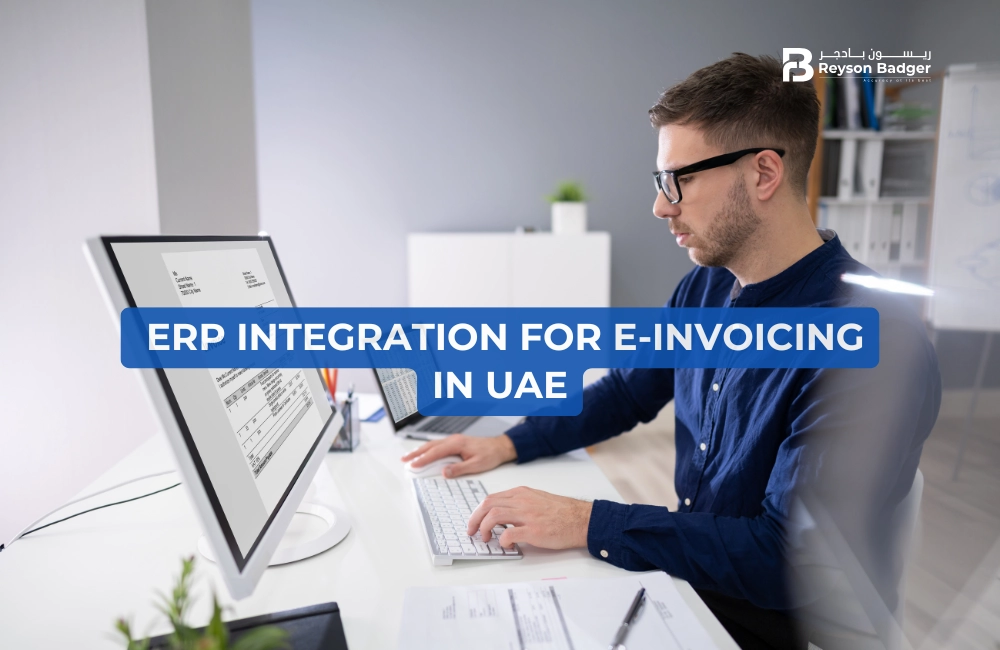
For many businesses, this is where ERP integration becomes essential. An ERP (Enterprise Resource Planning) system already manages core business functions such as finance, sales, procurement, and inventory. Integrating this system with UAE e invoicing ensures that invoices are generated directly from real-time business transactions.
Instead of handling invoices manually or through separate tools, ERP & e-invoicing integration allows seamless data flow. This reduces compliance risks, improves accuracy, and supports faster reporting all of which are critical under the new regulatory environment.
Step-by-Step Guide to ERP Integration with E-Invoicing
Implementing ERP integration for e-invoicing UAE requires a structured approach to ensure compliance and system efficiency.
- Assess ERP Readiness
Businesses must first evaluate whether their current ERP system can support structured e-invoicing formats and real-time data exchange. - Map Data Fields
All relevant invoice data from the ERP—such as customer details, tax information, invoice values, and item descriptions—must be mapped to the required e-invoice format. - Develop Integration Workflows
This includes setting up processes for invoice creation, validation, and submission to the relevant platform or authority. - Testing and Go-Live
Before full implementation, systems should be tested to identify errors, ensure accuracy, and confirm compliance requirements are met.
This step-by-step process helps businesses achieve smooth e invoicing implementation without disrupting daily operations.
Challenges and Considerations During Integration
While ERP integration brings many advantages, businesses may face certain challenges during implementation.
- Data inconsistencies can lead to validation errors if ERP records are not properly maintained.
- Legacy ERP systems may not fully support modern e-invoicing protocols, requiring upgrades or middleware solutions.
- Secure API connections must be established to ensure safe communication with government platforms.
- Staff may need training to adapt to new workflows and system changes.
Addressing these challenges early helps avoid delays and ensures a more efficient transition.
Strategic Benefits for Finance & Operations
Once implemented correctly, ERP integration offers strong operational and financial benefits.
- Invoices can be generated automatically from ERP transactions without manual intervention.
- Errors are reduced significantly, improving accuracy and audit readiness.
- Businesses can achieve real-time compliance and faster reporting.
- Departments such as sales, finance, and logistics can work with synchronized data, improving overall efficiency.
This level of automation allows companies to move from reactive compliance to proactive financial management.
Future-Ready Your Business with ERP & E-Invoicing Integration
ERP integration is no longer optional for businesses preparing for UAE e invoicing requirements. It ensures that invoicing processes are automated, compliant, and aligned with the country’s digital tax framework.
By integrating ERP systems with e-invoicing, businesses gain better visibility, improved accuracy, and long-term operational efficiency. It also reduces the burden of manual processes and minimizes compliance risks.
To make this transition smooth and effective, businesses should consider working with experienced providers like Reyson Badger, E-invoicing Services in UAE. With the right expertise and technology support, ERP & e-invoicing integration can become a strong foundation for future-ready and compliant business operations.
E-Invoice
Related Blogs
UAE E-Invoicing Timeline & Deadline
28-Jan-2026
E-Invoicing Solutions For Financial Institutions
28-Jan-2026Request a Quote
We’ll get back to you shortlyLatest Blogs
12
Jun
How UAE Accounting Services Help Businesses Stay 100% FTA Compliant
Discover how expert accounting services in UAE reduce filing errors, prevent FTA penalties, and keep your business audit-ready and compliant.
READ MORE →
11
Jun
Do UAE E-Invoicing Need QR Codes? Explained Simply
The right E-invoicing Services in UAE, businesses can ensure smooth compliance, improve efficiency, and stay ready for the future of digital taxation in the UAE.
READ MORE →
10
Jun
The Importance of Audit Services in UAE for Manufacturing Businesses
READ MORE →
10
Jun
How to Close a Business in Dubai: Complete Guide to Company Liquidation
Learn how to close a business in Dubai with this complete guide to company liquidation. Understand the legal requirements, liquidation process, document preparation, license cancellation procedures, and compliance obligations to ensure a smooth and hassle-free business closure in the UAE.
READ MORE →
16
Jun
Anti-Money Laundering Regulations in UAE: How AML Compliance Services Keep You Protected
AML Compliance Services in the UAE help businesses meet anti-money laundering rules, reduce financial crime risk, and avoid regulatory penalties.
READ MORE →
04
Jun
In-House Accountant vs Outsourced Accounting in Dubai: Real Cost Comparison for 2026
Our outsourced accounting services Dubai are structured around each client's business size, transaction volume, and compliance requirements, not a generic package.
READ MORE →
29
May
Mandatory vs Voluntary VAT Registration in the UAE: Which One is Right for Your Business?
Understand mandatory vs voluntary VAT registration in the UAE, including turnover thresholds, compliance requirements, benefits, and how to choose the right VAT registration option for your business.
READ MORE →
29
May
Difference Between Regular and Golden Visa in UAE
Learn the differences between Regular and Golden Visas in the UAE, including eligibility, duration, and benefits.
READ MORE →
26
May
Corporate Tax Year-End Accounting Checklist for Dubai Businesses: What to Prepare Before the Deadline
Professional support through accounting services in Dubai and corporate tax services in UAE makes the difference between a smooth, compliant year-end and a stressful.
READ MORE →
25
May
Understanding Your Rights: Legal Services for Individuals in UAE
A guide to legal services for individuals in the UAE and the importance of understanding your legal right.
READ MORE →