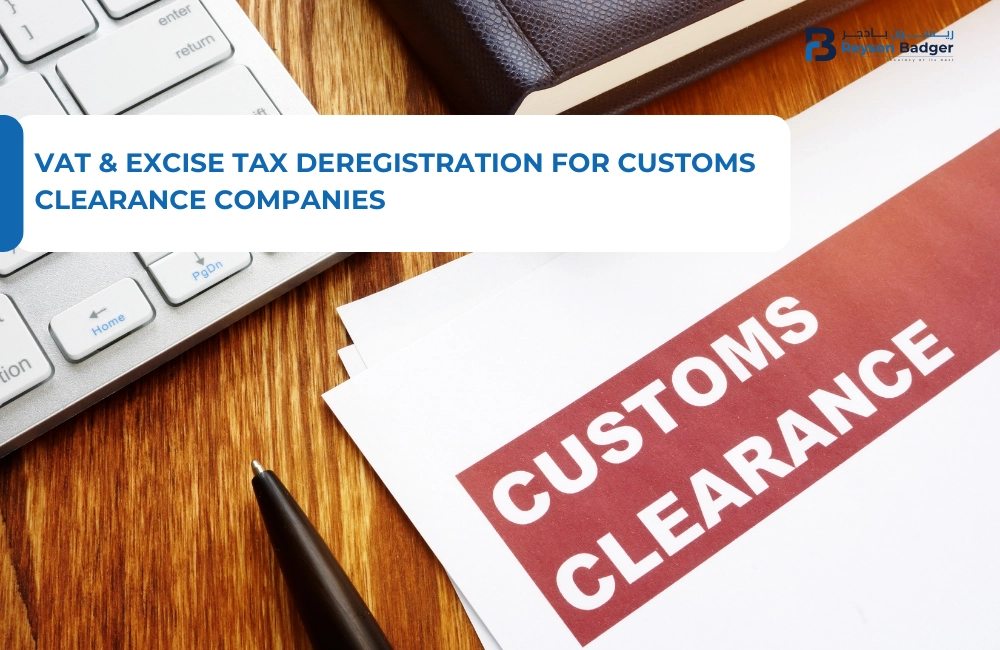


In the dynamic economic landscape of the UAE, understanding and complying with tax regulations is vital for businesses. Value Added Tax (VAT) and Excise Tax are two significant components of the UAE’s fiscal system, affecting a wide range of industries, including customs clearance companies. This blog aims to shed light on the importance of deregistration when certain conditions are no longer met, the latest FTA updates, and how to navigate the deregistration process smoothly through EmaraTax.
Brief Overview of VAT and Excise Tax in the UAE
What is VAT?
Value Added Tax (VAT) is a broad-based consumption tax applied at a 5% rate on most goods and services. Registered businesses collect VAT from customers and remit it to the Federal Tax Authority (FTA). It plays a crucial role in generating revenue for public services and infrastructure development.
What is Excise Tax?
Excise Tax applies to specific goods. Current UAE rates include 50% on carbonated/sweetened (soft) drinks and 100% on tobacco products, energy drinks and certain electronic smoking devices/related liquids as defined by the UAE excise rules. Excise Tax aims to discourage consumption and reduce health and environmental impacts.
The Role of Customs Clearance Companies
These companies facilitate import and export processes, ensuring compliance with UAE tax laws. They assist in classification, valuation, and paying the appropriate VAT and Excise Tax on imported goods, thereby playing a key part in the nation’s tax compliance framework.
What is Deregistration?
Deregistration refers to the official process where a business ceases to be registered for VAT or Excise Tax. Businesses might consider deregistering for several reasons, such as:
- No longer exceeding the registration threshold
- Closure of the business
- Significant change in business activity
- Fulfillment of tax obligations or voluntary choice
Difference Between VAT and Excise Tax Deregistration
While both types of deregistration follow a similar process, they differ in scope and specific criteria. VAT deregistration is often triggered when turnover falls below the threshold or the business ceases taxable activities, whereas Excise Tax deregistration is available when a registrant is no longer liable (e.g., stops importing, producing or stockpiling excisable goods) and meets the required conditions including final returns, liability settlement and supporting documentation.
When and Why Should a Company Consider Deregistration?
Deregistration is essential when a business no longer meets the criteria for registration or chooses to exit the taxable activity. Proper deregistration ensures compliance, minimizes penalties, and simplifies financial matters.
Eligibility Criteria for Deregistration
For VAT:
- Turnover falls below AED 375,000 annually
- Voluntary deregistration for businesses with lower turnover levels
- Closure or cessation of taxable activities
For Excise Tax:
- Closure of the business dealing with excise goods
- Discontinuation of the relevant product line
- Meeting specific conditions set by the FTA
Common Scenarios
- Business closure or liquidation
- Revenue dropping below registration thresholds
- Change or cessation of business activities
- Merging or restructuring that affects tax registration status
- FTA’s EmaraTax Portal: Simplifying Deregistration
Introduction to EmaraTax
EmaraTax is the UAE’s digital platform that streamlines tax processes, including registration, filing, and deregistration. It exemplifies the UAE’s commitment to digital transformation in government services.
New Features for Customs Clearance Companies
The FTA’s EmaraTax platform supports deregistration online for registrants (including customs clearance companies). This is a general EmaraTax service for all registrants rather than a special, separate feature limited to customs firms.This digital process reduces paperwork, saves time, and provides transparency.
How to Deregister via EmaraTax: A Step-by-Step Guide
Access the EmaraTax Portal
- Log into your registered account.
- Navigate to the Deregistration Section
- Find the relevant option within your dashboard.
- Prepare and Upload Documents
- Business license, final financial statements, and any required supporting documents.
- Submit the Application
- Fill out the deregistration form and attach the necessary files.
- Review and Wait
- The FTA reviews applications, typically within a specified timeline.
- Confirmation
- Receive notification upon approval or request for additional information.
Estimated Timelines
The FTA typically processes a VAT or Excise Tax deregistration application within 20 business days once a fully completed submission is received.
Additional Important Points for Consideration
- Recordkeeping and Final Settlements
It’s crucial to ensure all financial records are up-to-date before deregistration. Final VAT and Excise Tax returns should be filed, and all outstanding liabilities settled. Keep copies of all documentation related to deregistration for at least five years, as the FTA may request audits or clarification later.
- Impact on Business Operations
Deregistration may affect ongoing business operations, especially those related to importing or exporting goods subject to Excise Tax. Businesses need to plan for transitional periods, including notifying clients and suppliers.
- Post-Deregistration Compliance
Even after deregistration, some ongoing obligations may remain, such as retaining records or handling final tax returns. Ensure clarity on these obligations to avoid future penalties.
Benefits of Timely Deregistration
- Legal Compliance: Avoid penalties or fines for non-compliance
- Administrative Ease: Simplifies your tax records and reporting
- Finality of Tax Obligations: Officially closes all tax liabilities
- Peace of Mind: Ensures your business is compliant and up-to-date
Role of Tax Agents in Deregistration
Professional tax agents help facilitate a seamless process by:
- Ensuring accuracy in documentation
- Managing submissions and communications with the FTA
- Advising on the best timing for deregistration
- Assisting with final VAT and Excise Tax return filings
Engaging with a registered tax agent, like Reyson Badger, can significantly reduce errors and ensure full compliance.
Conclusion:
Deregistration for VAT and Excise Tax is a crucial step once your business no longer qualifies or wishes to exit the taxable framework. The FTA’s EmaraTax platform streamlines this process, making it more accessible than ever. Still, navigating it without professional guidance may lead to mistakes or missed deadlines, and understanding all aspects of VAT Services and Excise Tax deregistration, including common Excise Tax FAQs, is vital for a smooth exit.
Need expert assistance with VAT or Excise Tax deregistration? Contact Reyson Badger, your trusted FTA-registered tax agent in the UAE. We are committed to making your deregistration process smooth and compliant.