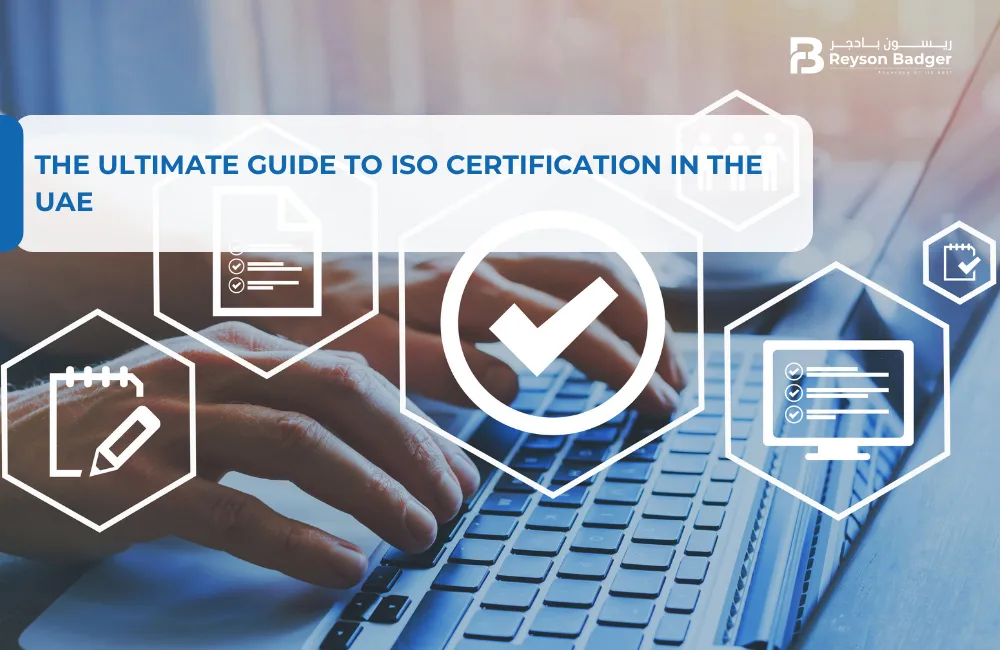


If you're looking for clear, up-to-date information on ISO certification in the UAE, this guide covers the major types of ISO certificates, official accreditation bodies, step-by-step process, real costs, and training options recognized in the UAE. The certification journey comes with strict rules, multiple agencies, and real business consequences if you choose the wrong certification body or skip required steps. After reading, you'll understand what to do (and what to avoid) to keep your business credible and avoid regulatory headaches.
What is ISO Standard?
ISO standards are internationally recognized frameworks that define how businesses manage quality, safety, and operational processes. For companies in the UAE, obtaining ISO certification is often essential to access new markets and secure high-value clients, as many stakeholders require proof of compliance with these benchmarks.
At the national level, the Ministry of Industry and Advanced Technology (MoIAT) oversees standardization, working closely with the Emirates International Accreditation Centre (EIAC) and the National Accreditation Department (NAD) to accredit certification bodies.
Failing to meet these requirements or choosing a non-accredited provider, can result in your certification being rejected by regulators or clients, leading to delays and lost business opportunities.
ISO Certification in Dubai, UAE
ISO certification in the UAE is official proof from an accredited certification body that your business follows international standards set by ISO, including requirements enforced by UAE authorities. This isn’t just about paperwork, if your ISO certificate doesn’t come from a body recognized by MoIAT, EIAC, or NAD, many clients and regulators won’t accept it. You might lose contracts, fail compliance checks, or need to redo the entire process. UAE businesses use ISO certification to build trust, enter tenders, or access global supply chains under strict local oversight.
What are the Types of ISO certifications in the UAE?
Businesses in the UAE typically pursue the following ISO certifications, which are widely recognized by clients, regulators, and supply chains. If you aim to qualify for government tenders or build trust with GCC partners, these are the most commonly required standards:
- ISO 9001: Quality Management System (QMS)
Focuses on making sure companies fulfill the needs of their clients and increase satisfaction - ISO 14001: Environmental Management System (EMS)
Helps businesses decrease their impact on the environment by efficient resource utilization. - ISO 45001: Occupational Health and Safety Management System (OHSMS)
Ensures a safe and healthy work environment by managing risks related to health and safety. - ISO 22000: Food Safety Management System (FSMS)
Focuses on food safety to ensure that food products are safe for consumption. - ISO 27001: Information Security Management System (ISMS)
Provides a framework to protect sensitive information and improve data security. - ISO 50001: Energy Management System (EnMS)
Helps organizations manage their energy use efficiently to reduce costs and environmental impact. - ISO 13485: Medical Devices Quality Management System
Focuses on ensuring the safety and quality of medical devices through strict management practices. - ISO 20000: IT Service Management System (ITSMS)
It creates a framework to provide IT services that work well and match business needs. - ISO 22301: Business Continuity Management System (BCMS)
Helps organizations plan and implement strategies to continue operations during disruptions or emergencies. - ISO 26000: Social Responsibility
Provides guidelines on how businesses can operate responsibly, with a focus on ethical behavior and contributing to sustainable development. - ISO 31000: Risk Management
Offers a framework to help organizations manage risks effectively, ensuring they are prepared for potential challenges. - ISO 37001: Anti-bribery Management System
Helps organizations implement policies to prevent bribery and ensure ethical business practices. - ISO 14064: Greenhouse Gas (GHG) Emissions
Provides standards for organizations to measure and manage their greenhouse gas emissions. - ISO 90003: Software Engineering – Software Quality Management
Focuses on ensuring the quality of software and the processes involved in its development and maintenance. - ISO 10002: Customer Satisfaction - Complaints Handling
Provides guidelines for businesses to handle customer complaints effectively and improve satisfaction.
The wrong certificates issued by a non-accredited body, can delay approvals and cost you valuable opportunities. Choose the ISO standard and certification route that your UAE clients already recognize and trust.
How ISO Certification Improves Business Reputation in UAE?
In the UAE's competitive market, a strong reputation is crucial for gaining customer trust, and loyalty, and standing out from the competition. It also helps attract international clients and investors, boosting long-term success certification brings key benefits that boost a business's reputation, including:
- Enhances Credibility: Getting ISO certified shows your business is serious about quality and following international standards. It builds trust with your clients and partners by proving you’re reliable.
- Improves customer confidence: The ISO certification will reassure the customers that your products or services are always good
- Attracts New Business Opportunities: Attracts new business opportunities, such as successful tenders and winning new projects, and sometimes even government contracts. Such a credential also opens avenues for partnerships between similar trusted companies
- Showcases a Commitment to Sustainability: ISO standards like ISO 14001 show you care about the environment and are responsible. This attracts eco-friendly customers and partners.
- Ensures Compliance and Risk Management: ISO certification helps you follow UAE rules, reducing legal risks and making it easier to manage business risks, so stakeholders feel more confident working with you.
Steps to Obtain ISO Certification in Dubai, Sharjah, and Abu Dhabi
Obtaining ISO certification in the UAE is a straightforward process that helps ensure your business meets international standards. Here's a simple guide to the steps involved:
Understand the ISO Standard
Learn about the ISO standard you need, like ISO 9001 for quality management or ISO 14001 for environmental management.
Assess Your Current Processes
Check your current practices and compare them with the ISO requirements to find areas that need improvement.
Develop and Set Up a System
Create policies and processes that meet ISO standards. Make sure your team is trained and knows their roles.
Internal Review
Regularly check if your system is working well and meeting the ISO standards.
Management Review
Have your top management review the system and make improvements where necessary.
Choose a Certification Body
Select an accredited certification body in the UAE to perform the audit.
Certification Audit
The certification body will audit your business to check if it meets the ISO standard.
Fix Any Issues
If the audit finds any problems, take corrective action to fix them.
Get Your Certificate
Once everything is in order, the certification body will issue your ISO certificate.
Keep Improving
Continue reviewing and improving your system to ensure it stays up-to-date and meets the standards.
This process helps your business achieve better quality, efficiency, and compliance with international standards.
Duration and Cost of ISO Certification in UAE
Getting ISO certification in Dubai UAE normally takes about 3 to 12 months depending on the size of your business and how prepared you are. The price of ISO certification differs. For instance, obtaining ISO 9001 certification in the UAE may range from AED 3,000 to AED 25,000. This includes training, documentation, audits, and the costs imposed by the certification authority. Remember that selecting a reputable, accredited certification organization guarantees your certification is acknowledged and reliable. Investing in ISO certification can bring long-term benefits such as better processes, improved customer satisfaction, and access to new business opportunities.
Conclusion
In conclusion, obtaining the Best ISO certification in the UAE is an essential step for businesses looking to improve their processes, meet global standards, and build stronger customer trust. By understanding the required ISO standard, developing the necessary systems, and undergoing a thorough audit, businesses can achieve certification and prove their commitment to quality and compliance. With the right preparation and resources, businesses can successfully navigate the certification process and enjoy the long-term benefits that come with maintaining ISO standards, such as better credibility and a stronger market position. For guidance throughout the process, Reyson Badger offers expert consultation and support in obtaining the best ISO certification in UAE.